| Destinations | Croatia |
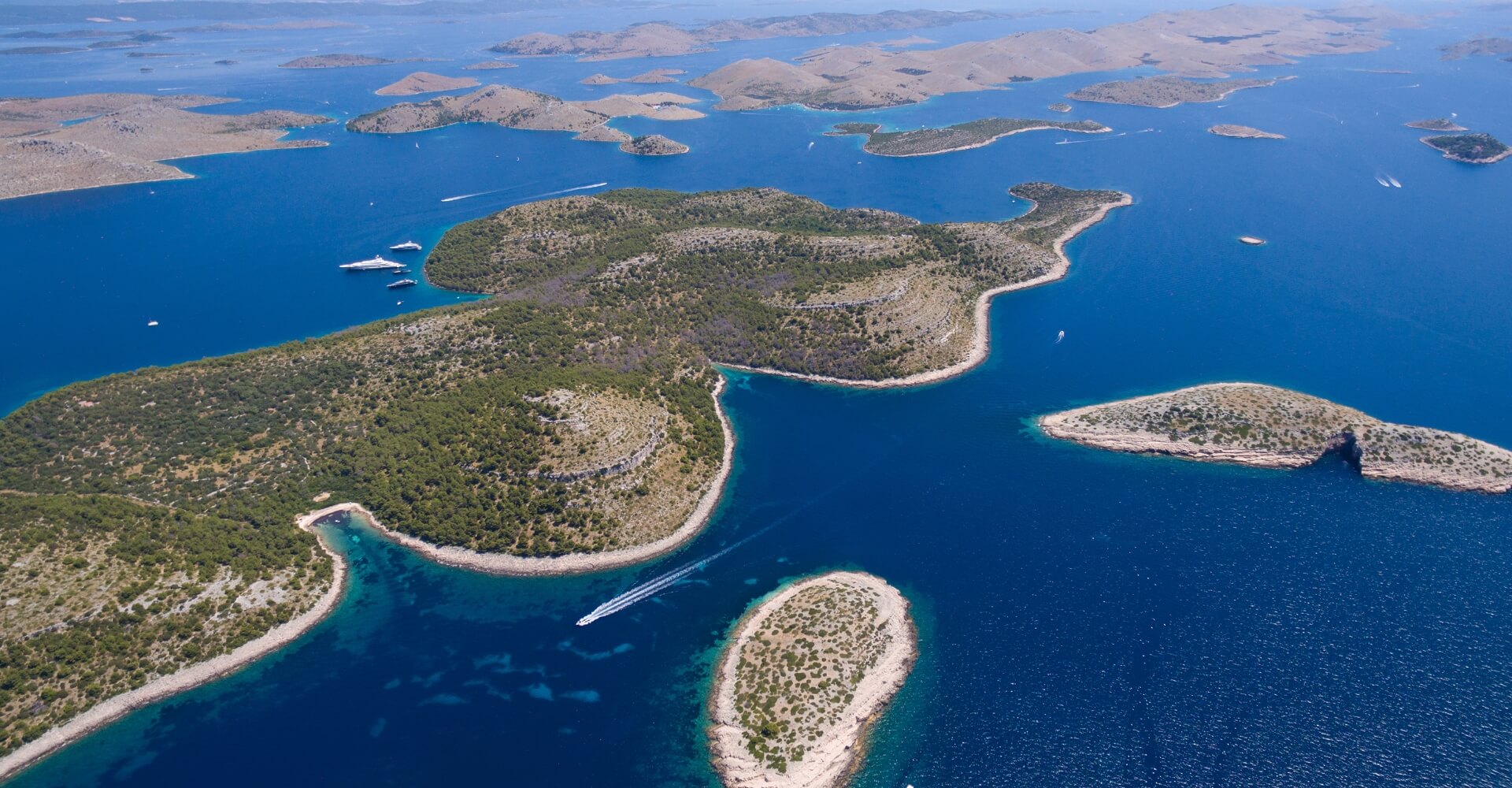
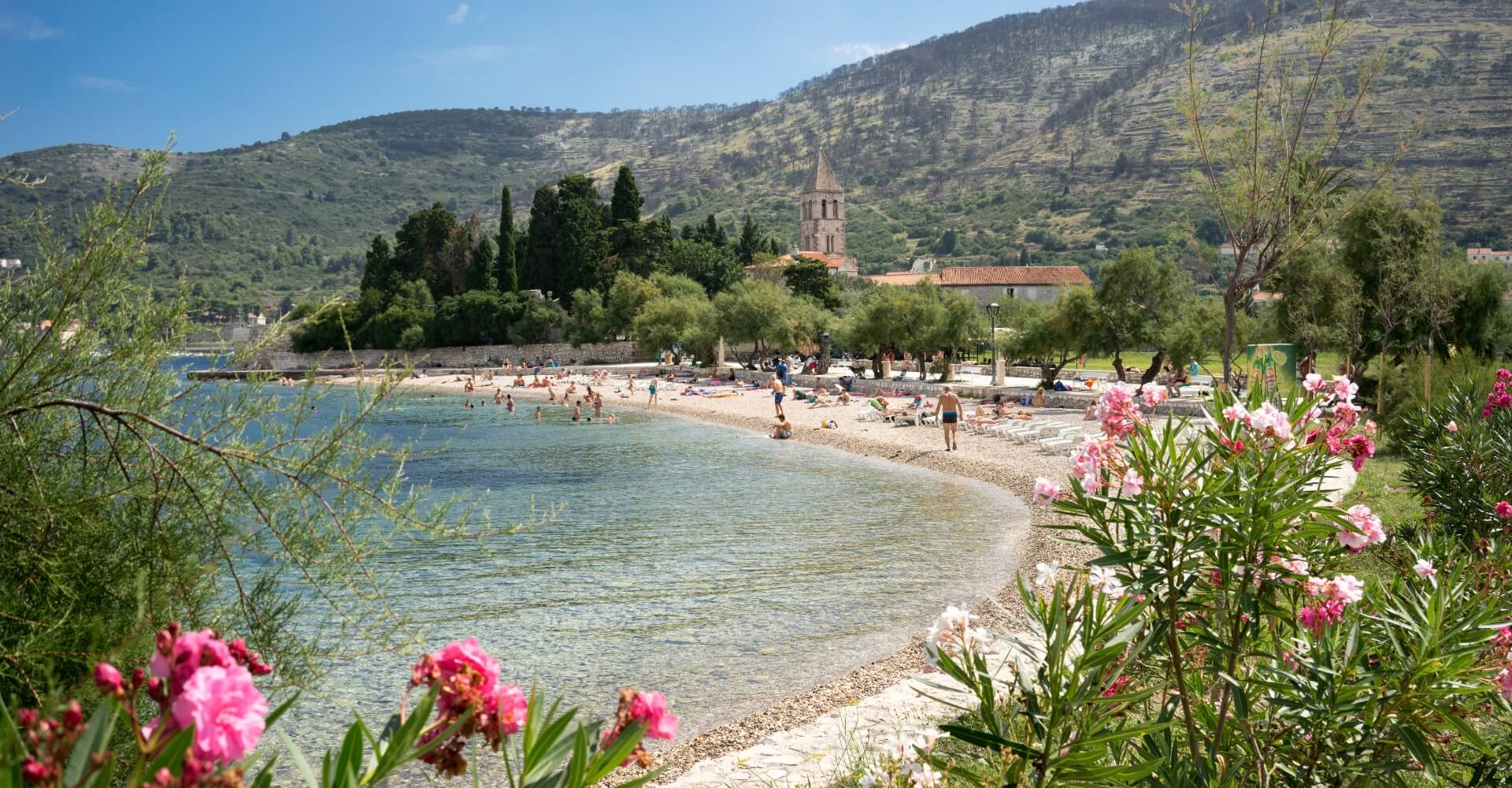
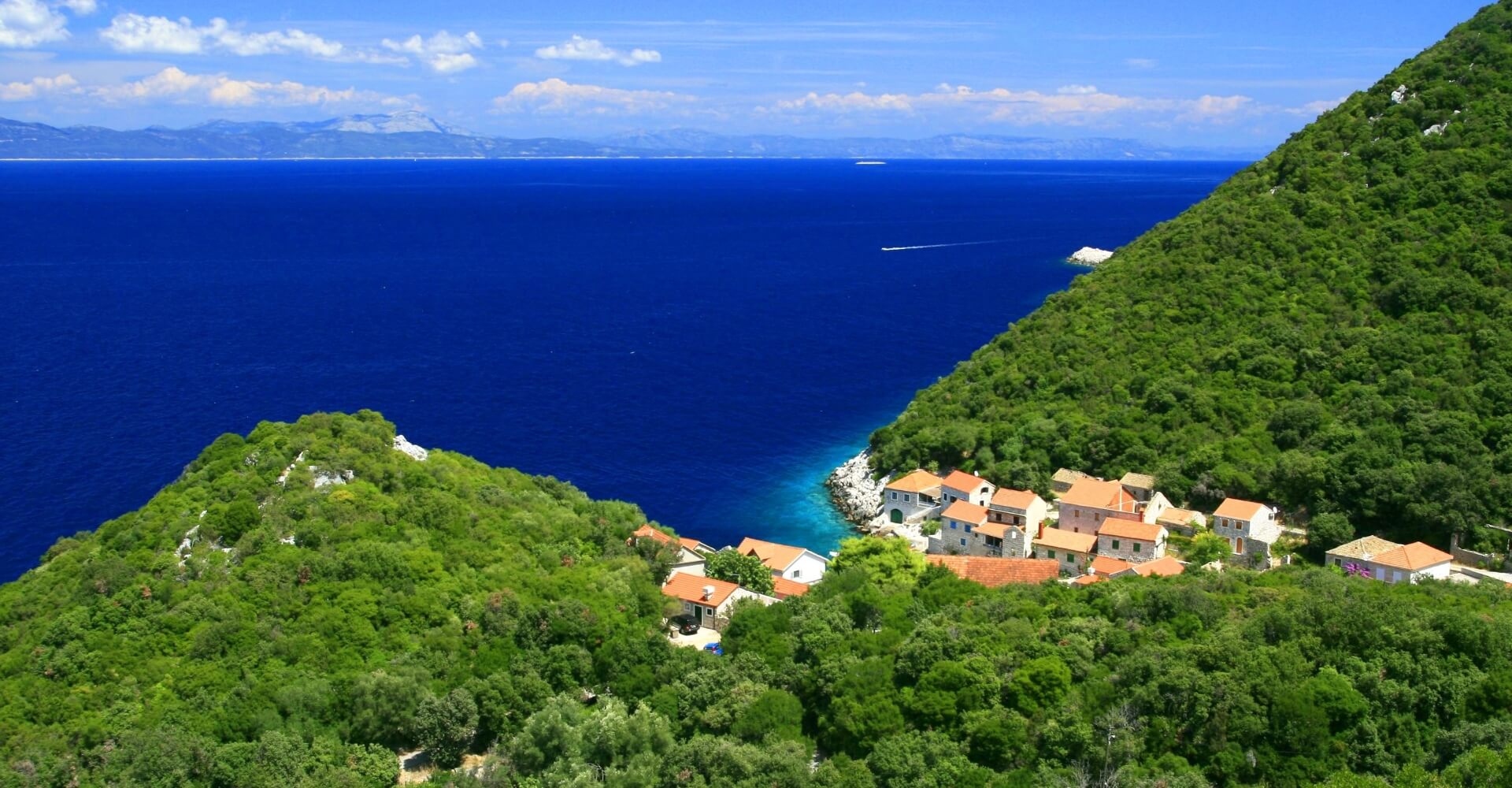
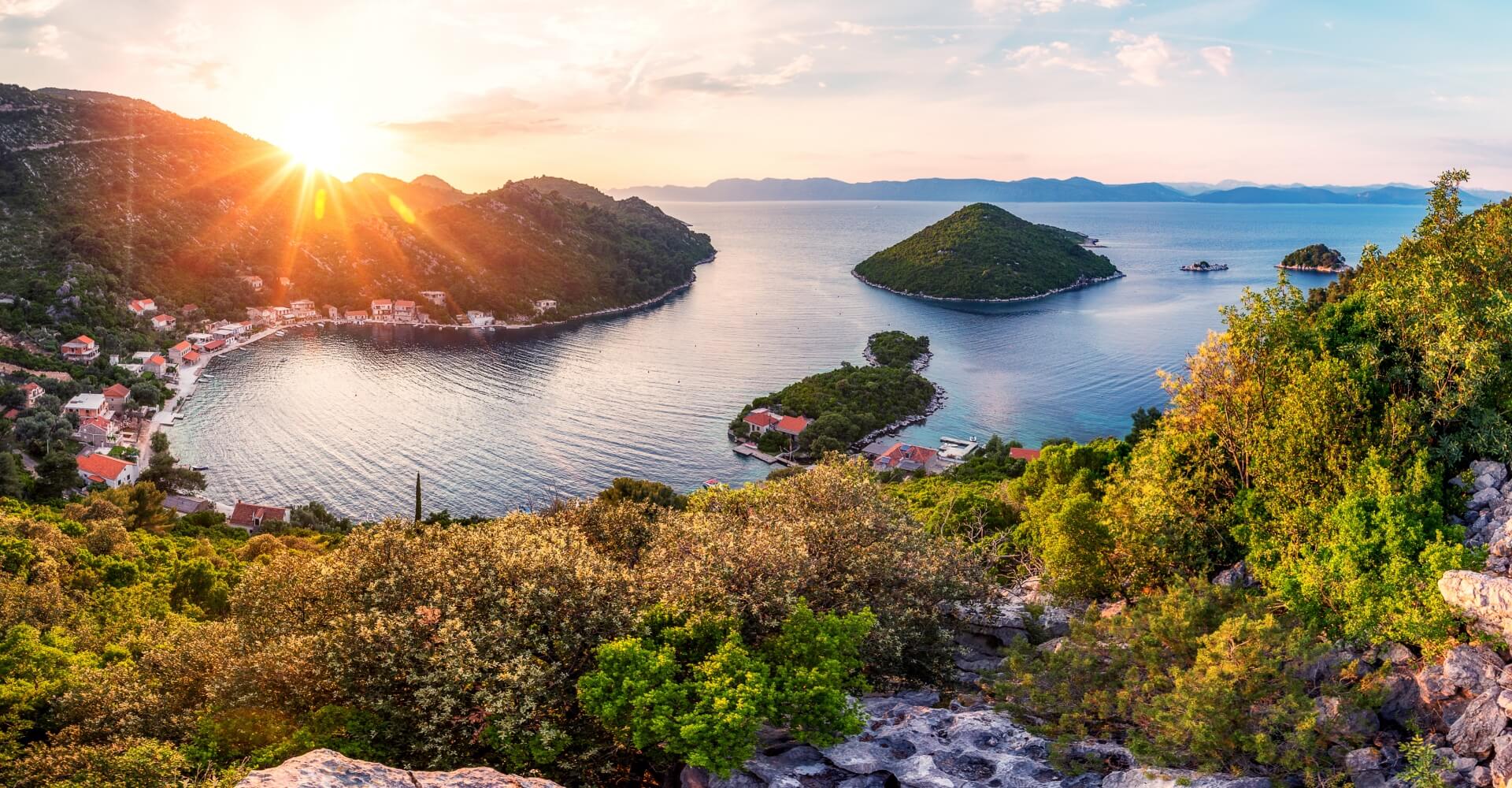
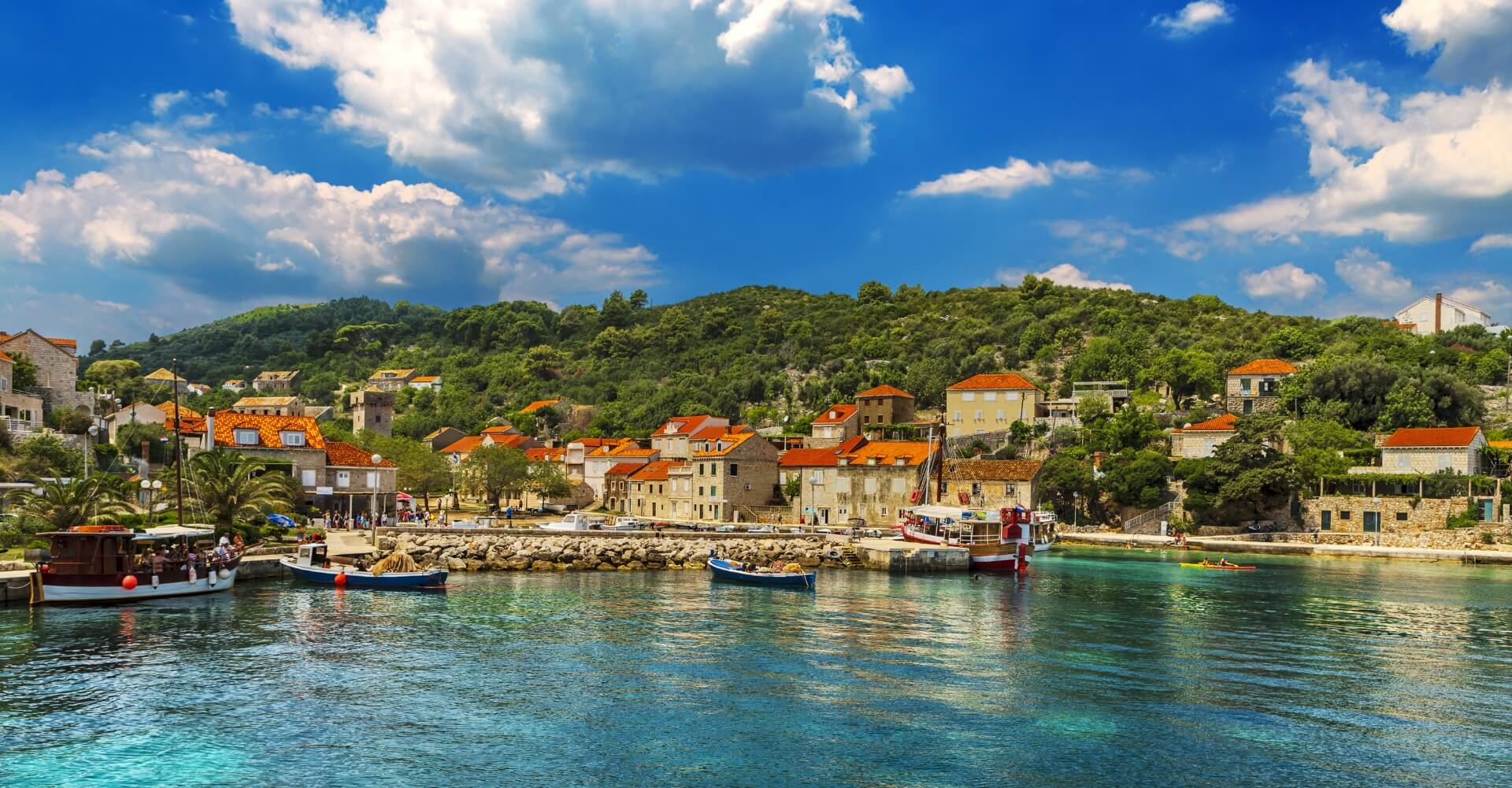
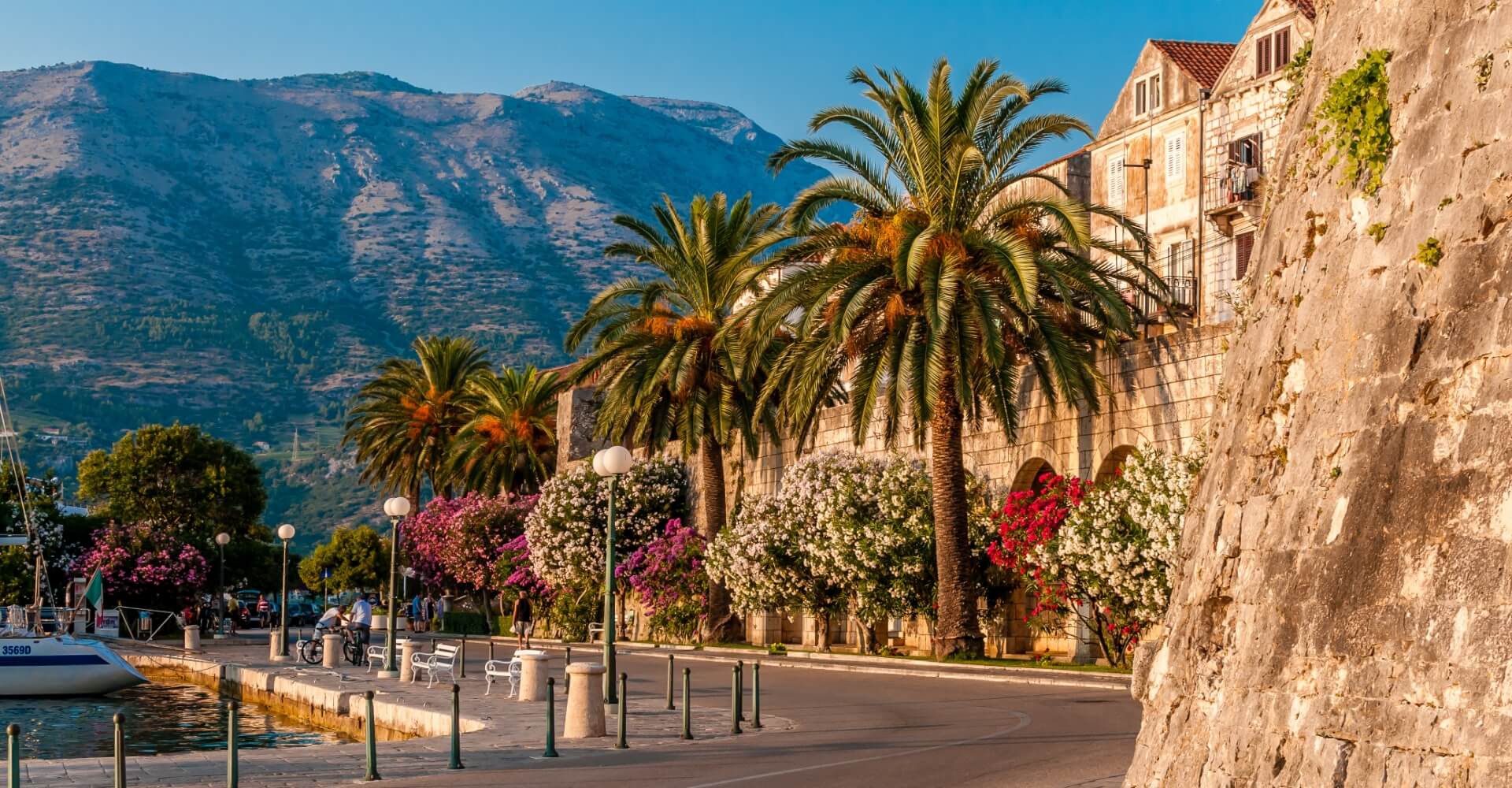
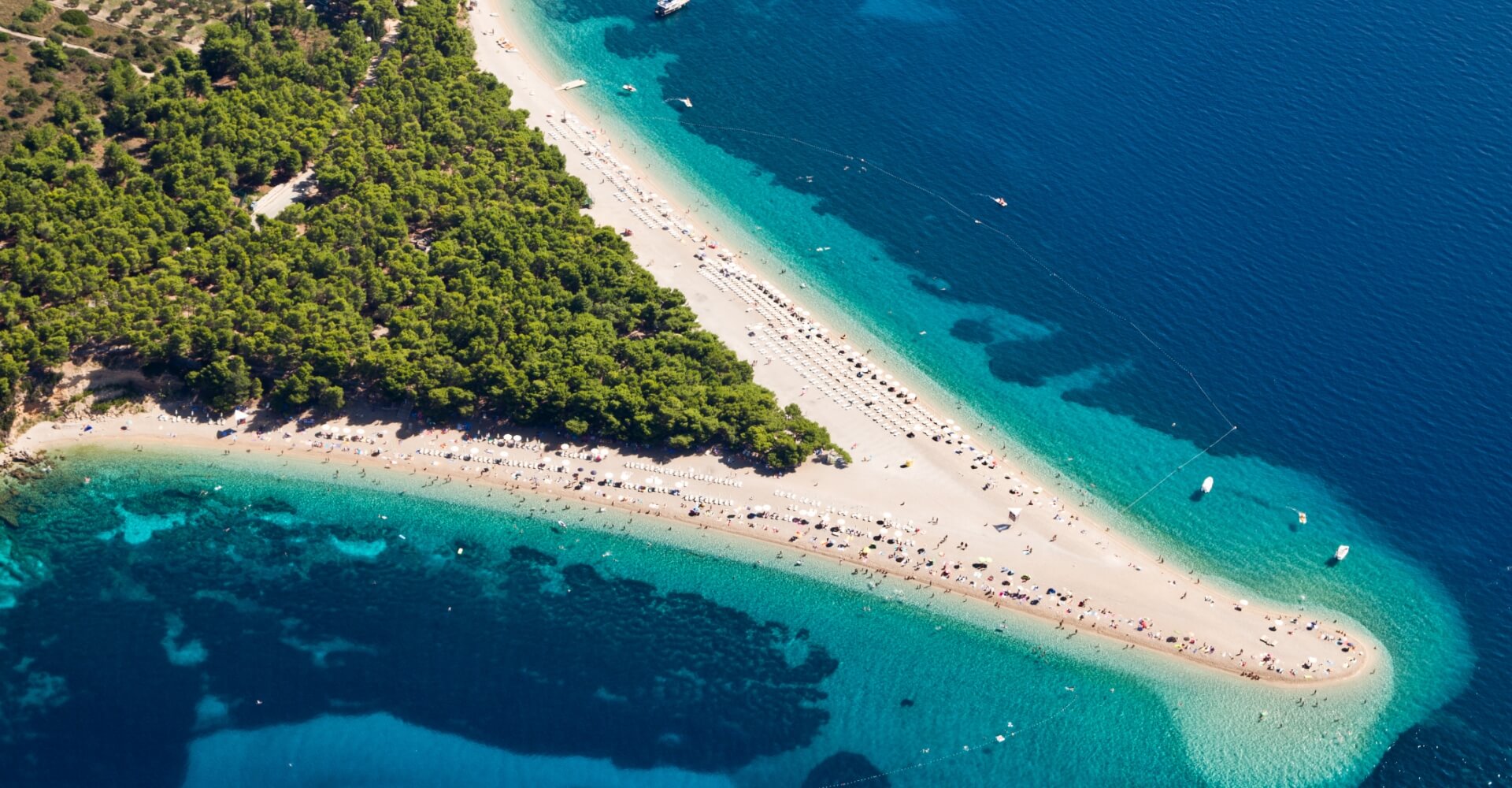
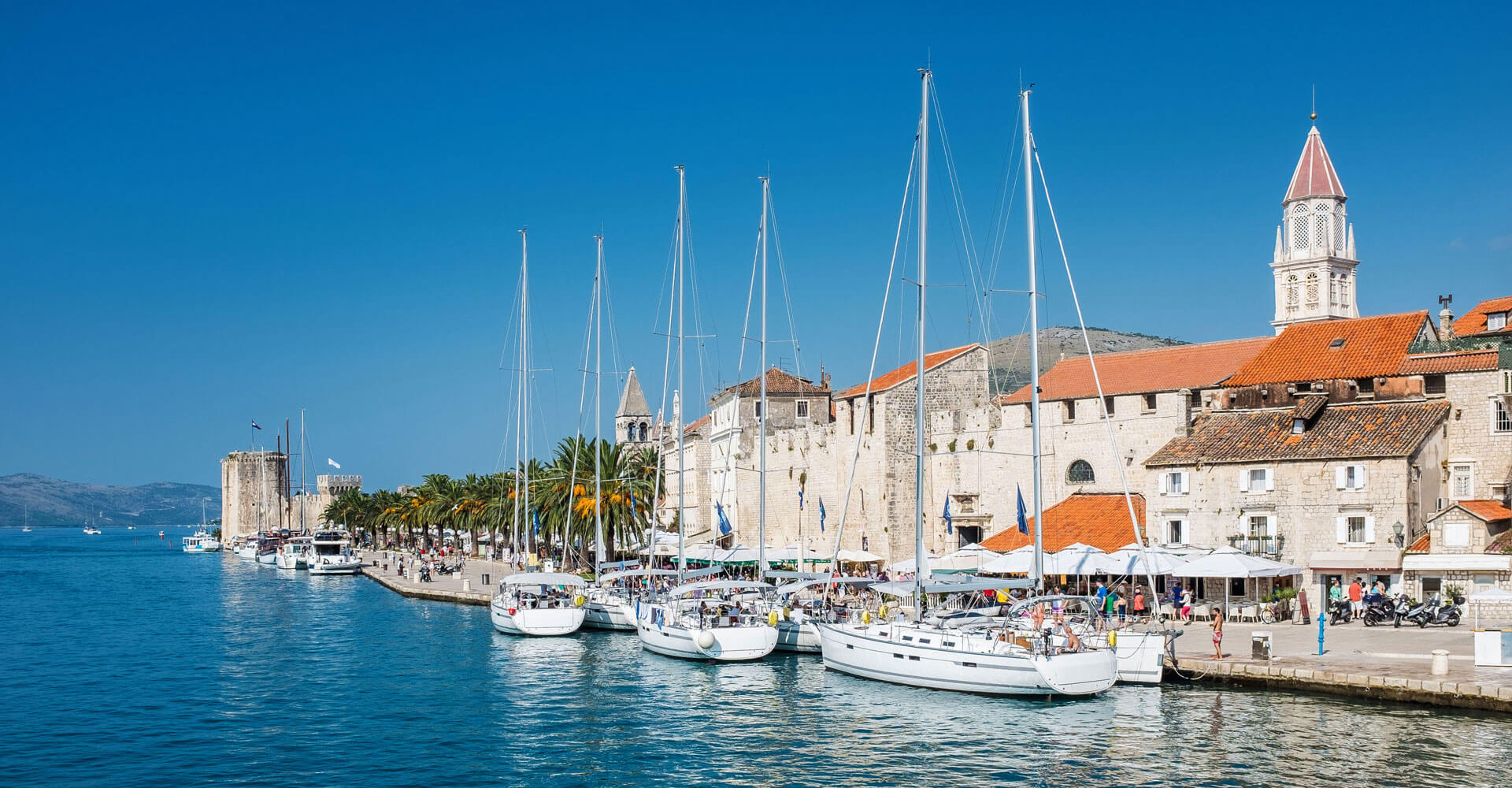
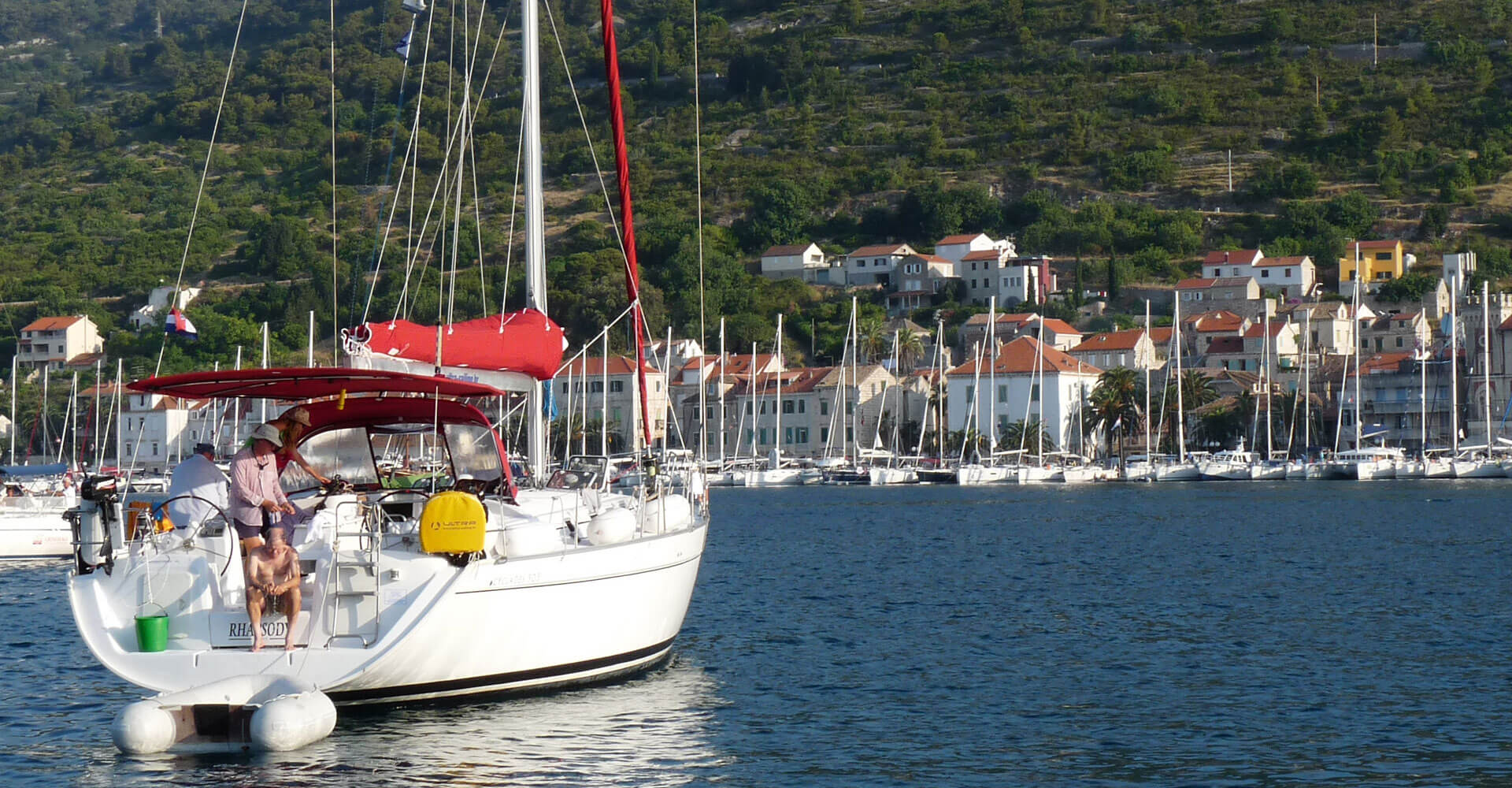
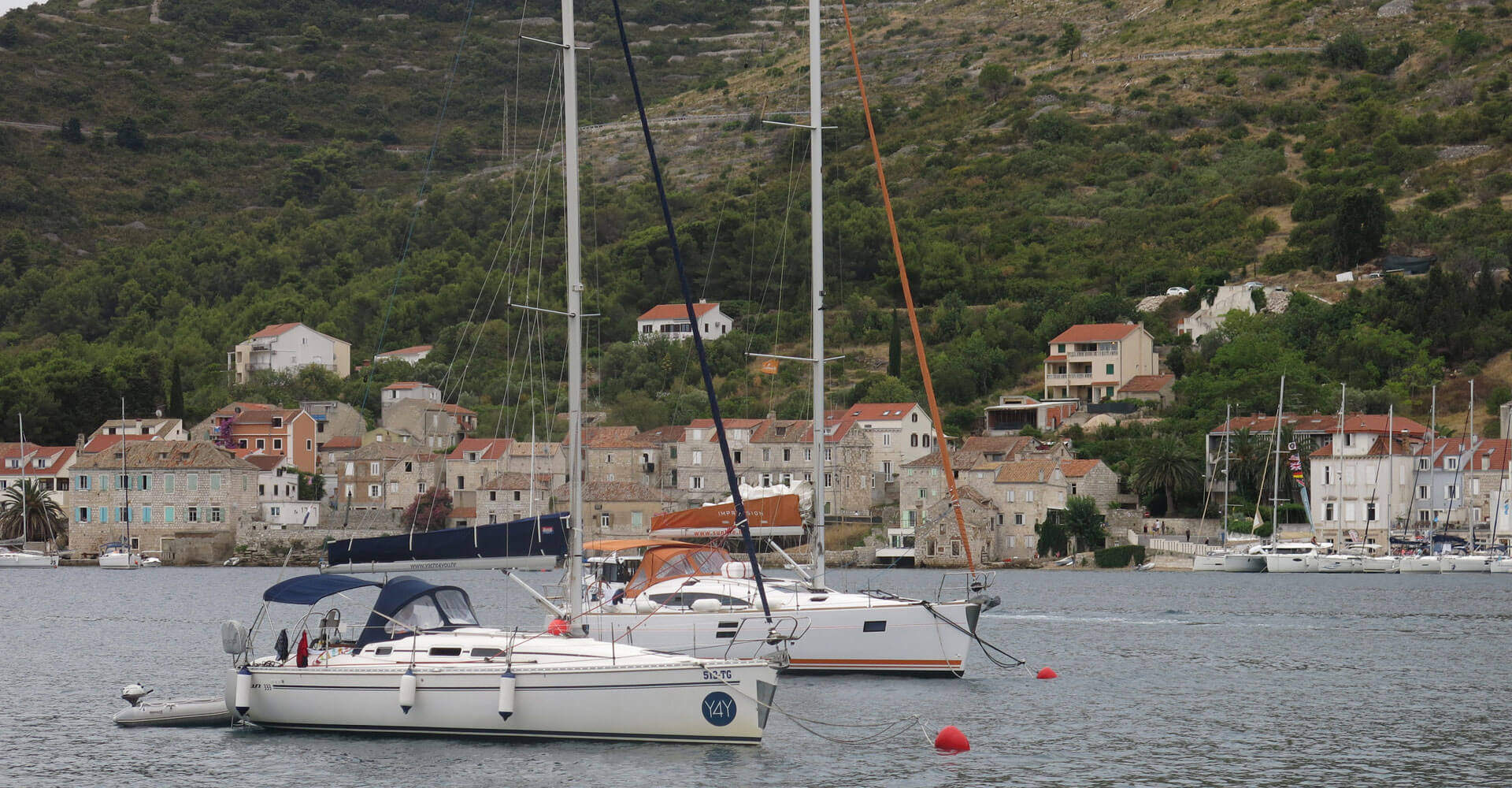
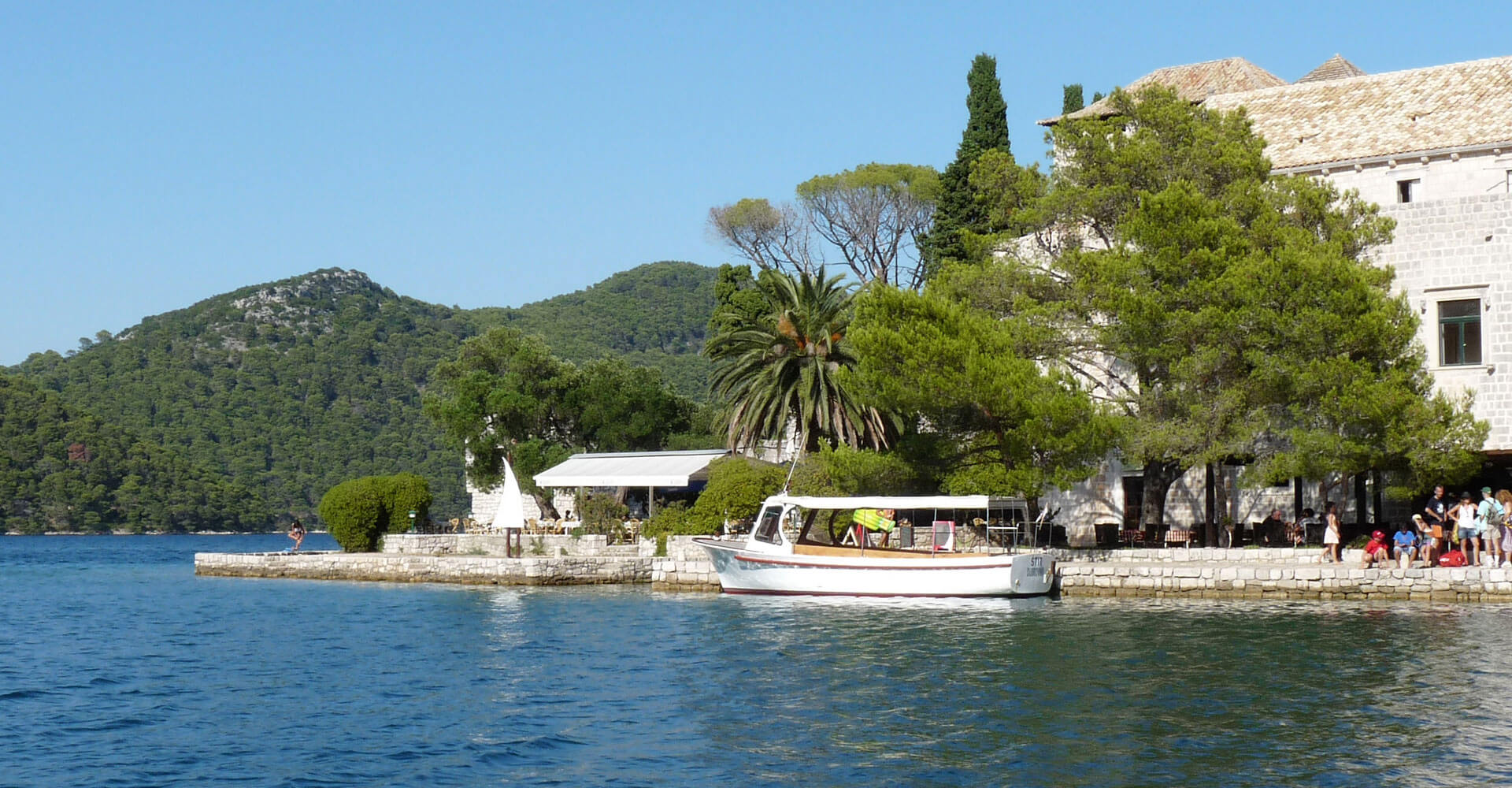
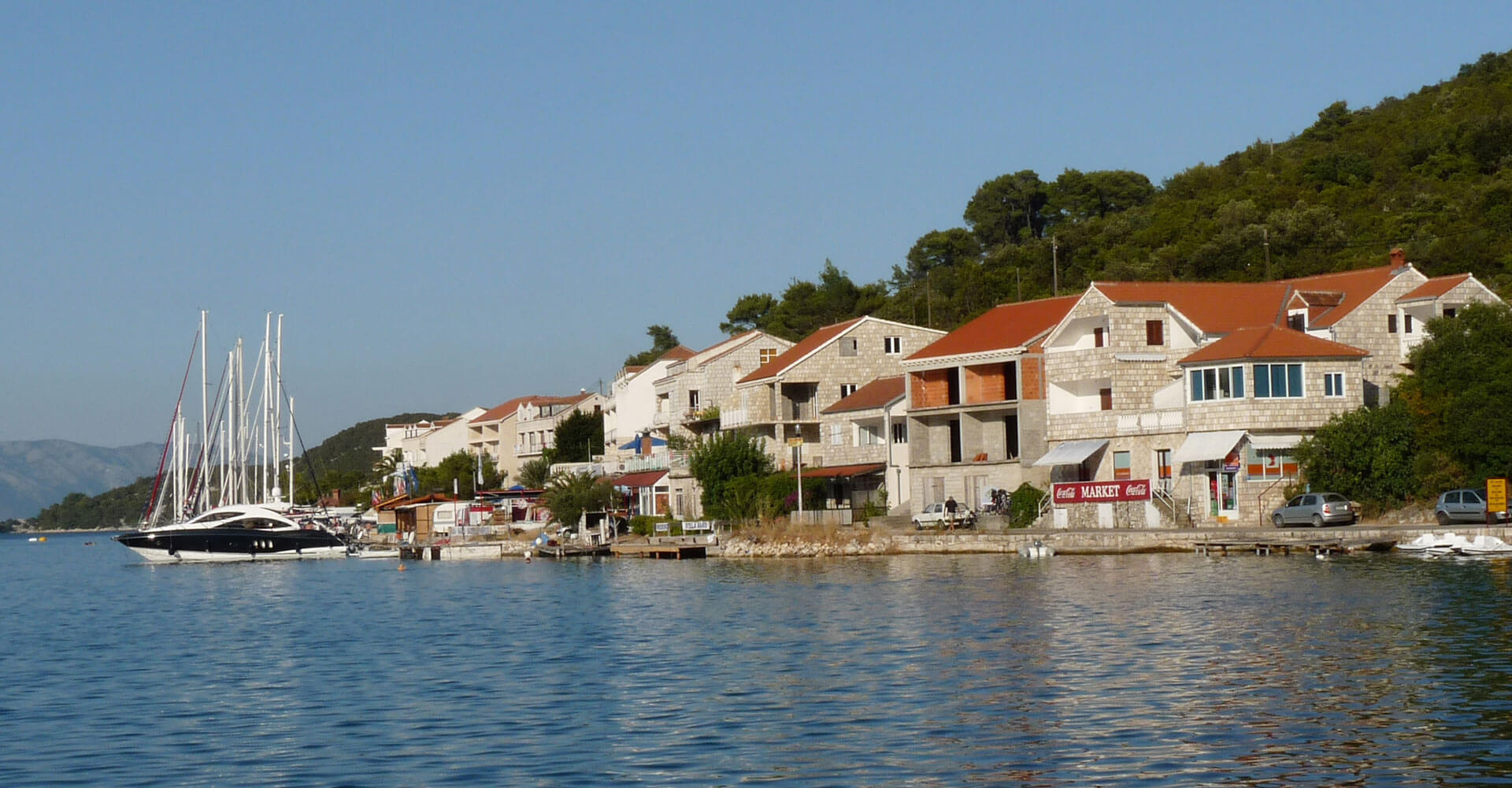
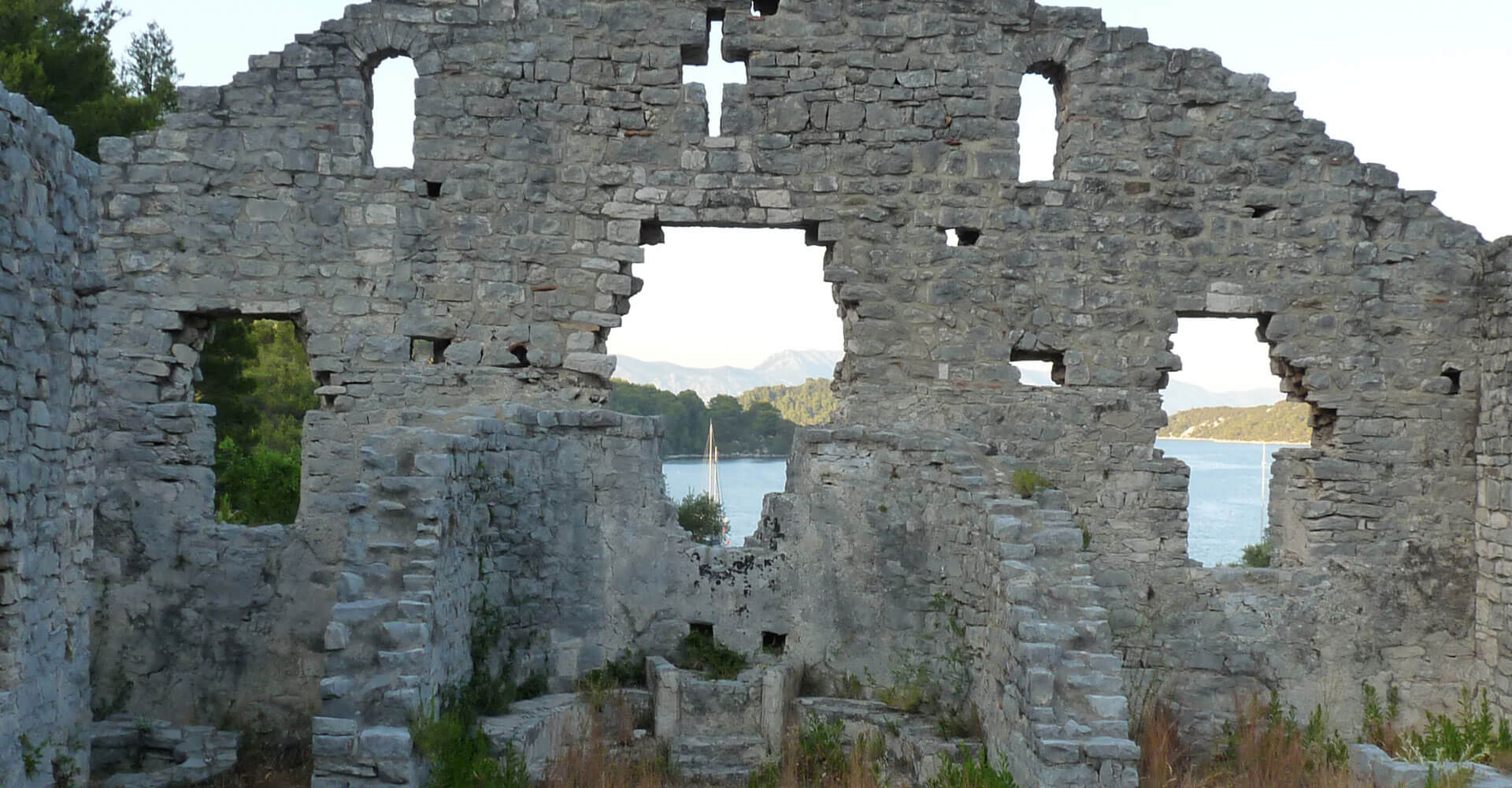
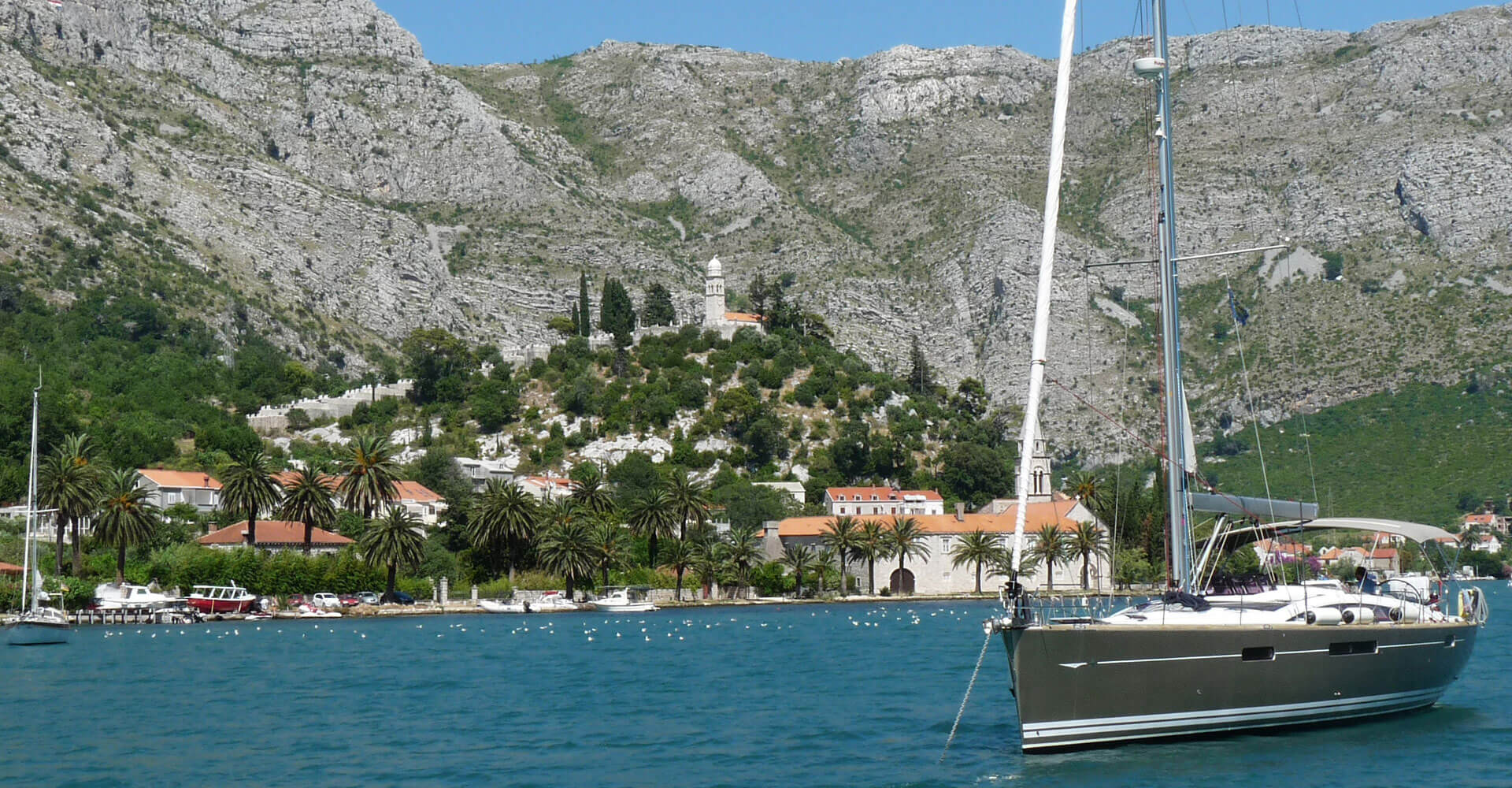
Croatia has become the most sought after yacht charter destination in Europe with its 3,000 miles of spectacular Adriatic coastline and 1185 island jewels - all set right in the heart of Europe. Explore UNESCO heritage towns and wander through enchanting medieval architecture, visit pristine national parks, dine on superb seafood and celebrate some of Europe's best nightlife. See what the entire travel buzz is about…experience a sailing holiday in Croatia.
Available in Croatia
Average air temperatures
Temperatures in the spring months of April, May and June, range from 15-24°C. In the summer months of July, August and September you can expect temperatures to rise to 24-27°C.
Average water temperatures
Water temperatures are cooler in the spring months of April, May and June ranging from 14-21°C. In the hotter summer months of July, August and September the surface water reaches perfect swimming temperatures of 22-26°C.
Best time to visit
May through October are the warmer, drier months. May, June, July and September are the best months to visit with nice weather conditions while avoiding excessive heat and the high season crowds.
Not to miss while you are sailing in Croatia
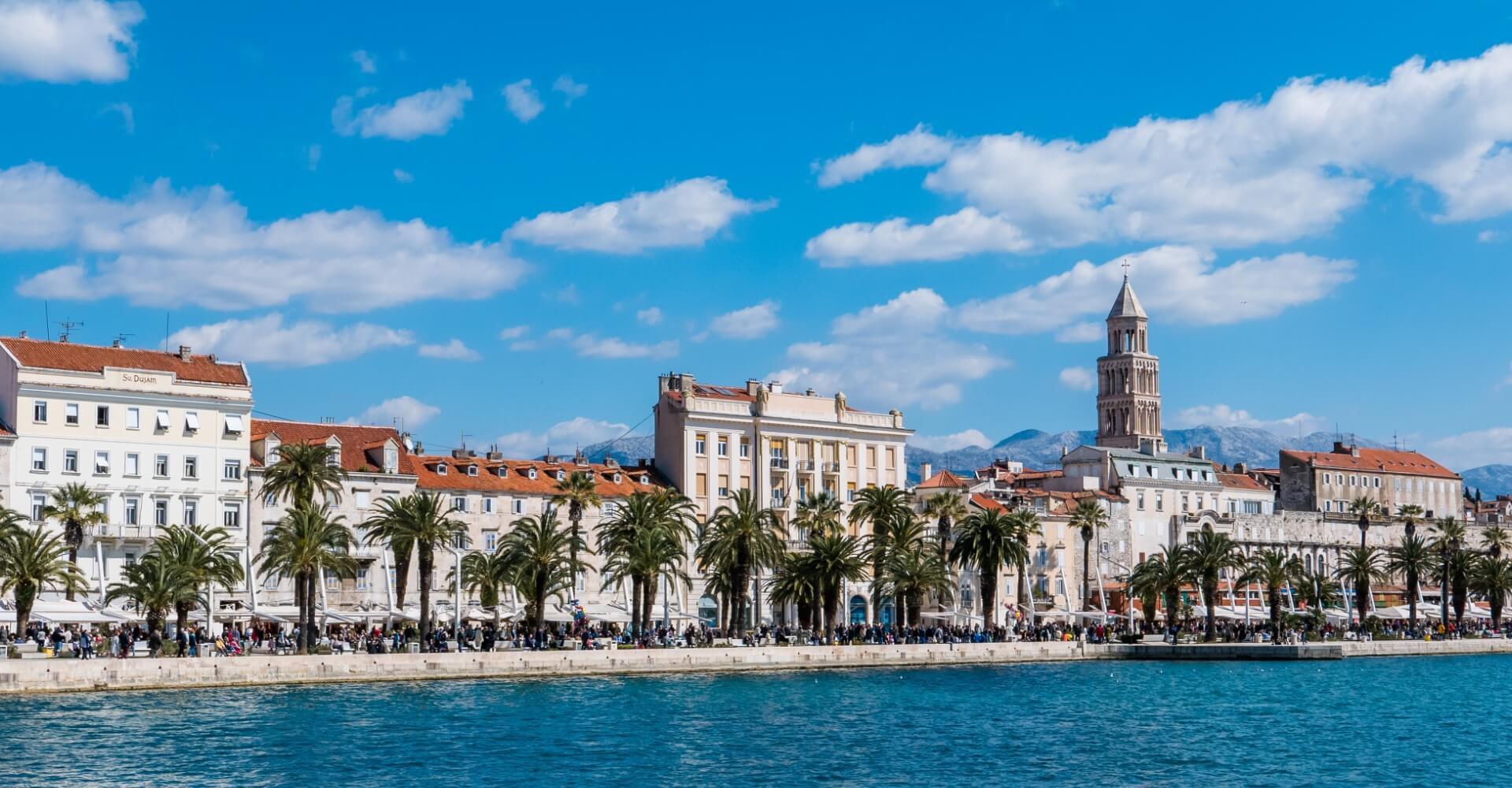
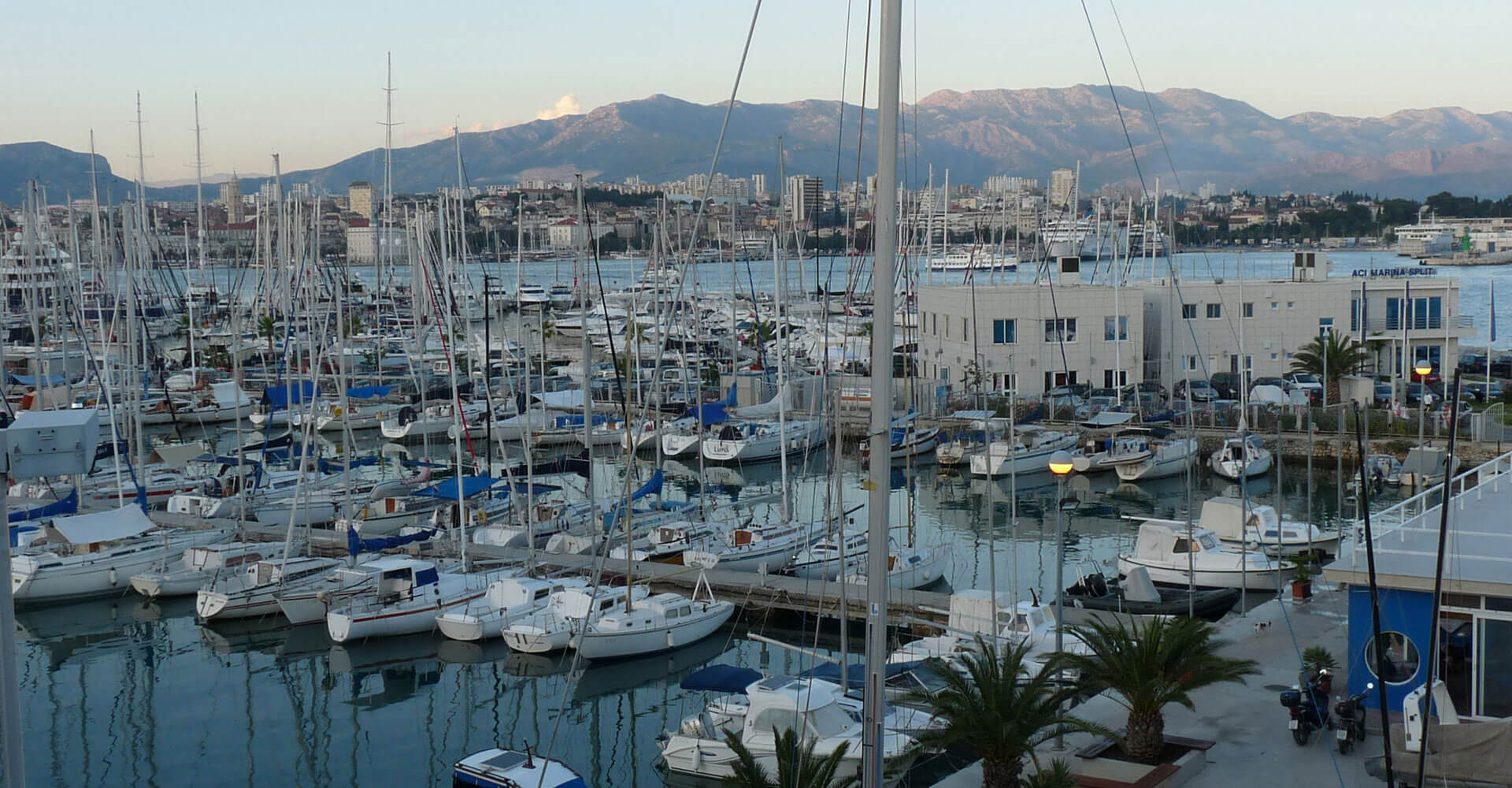
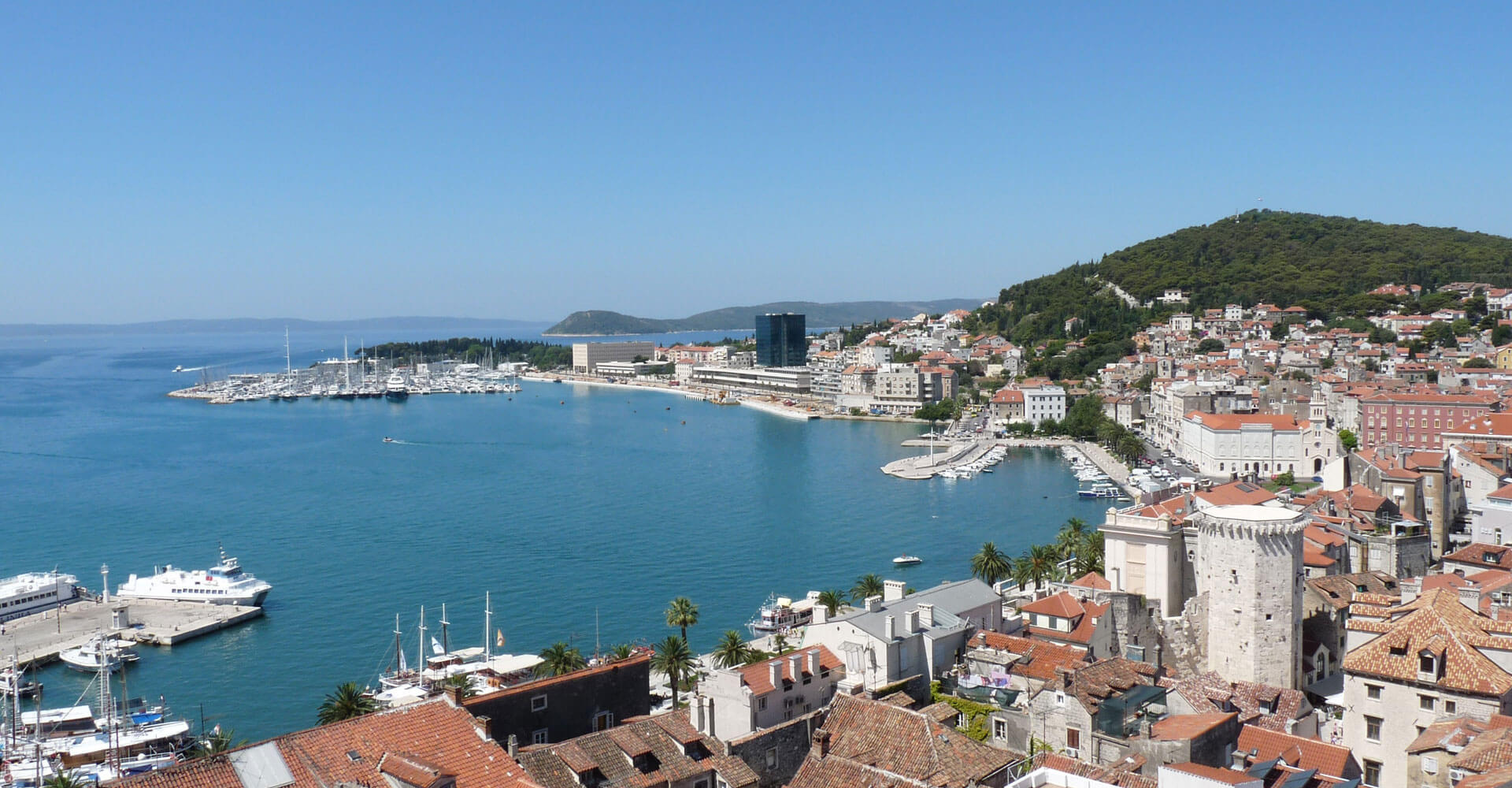
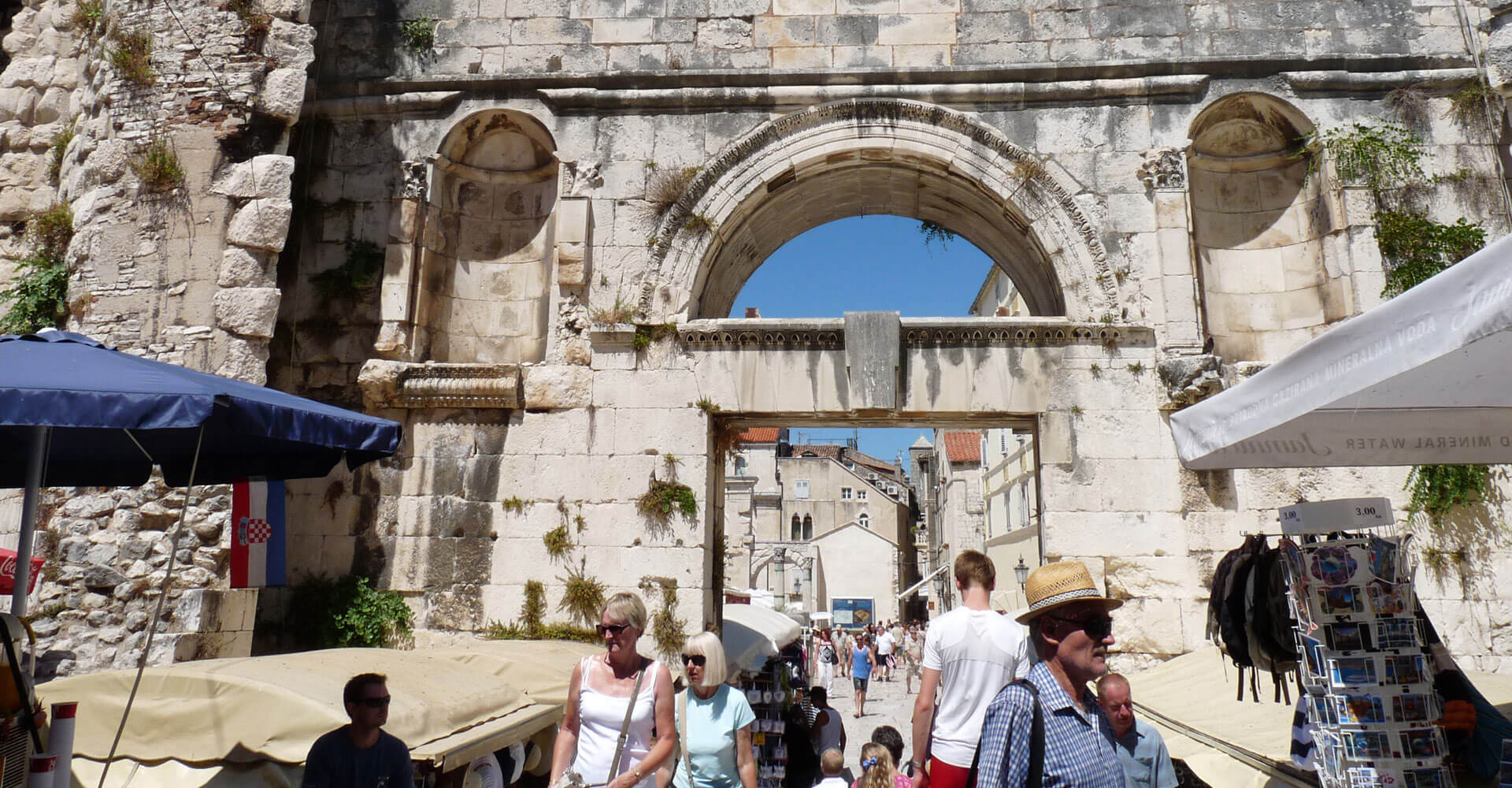
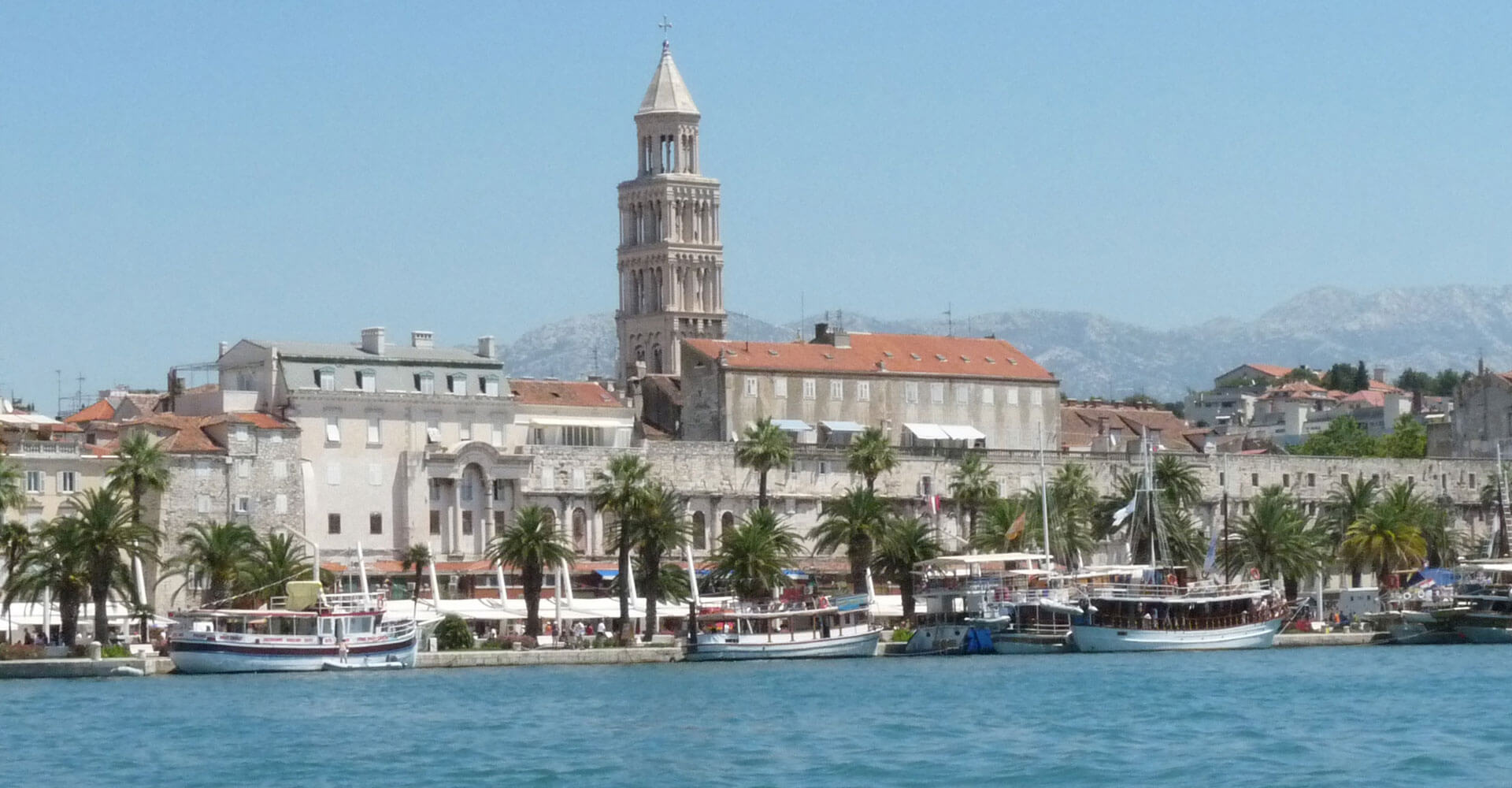
Split… visit the UNESCO World Heritage site of Diocletian's Palace 305BC in Split city. The Roman emperor Diocletian fell in love with the area calling it the flower of the Adriatic and built one of the most beautiful palaces in the Roman Empire. Wander through Roman and Venetian architecture and explore museums, art galleries and boutiques. Split also has fine dining, hotels and numerous marinas to access the sparkling Adriatic sea.
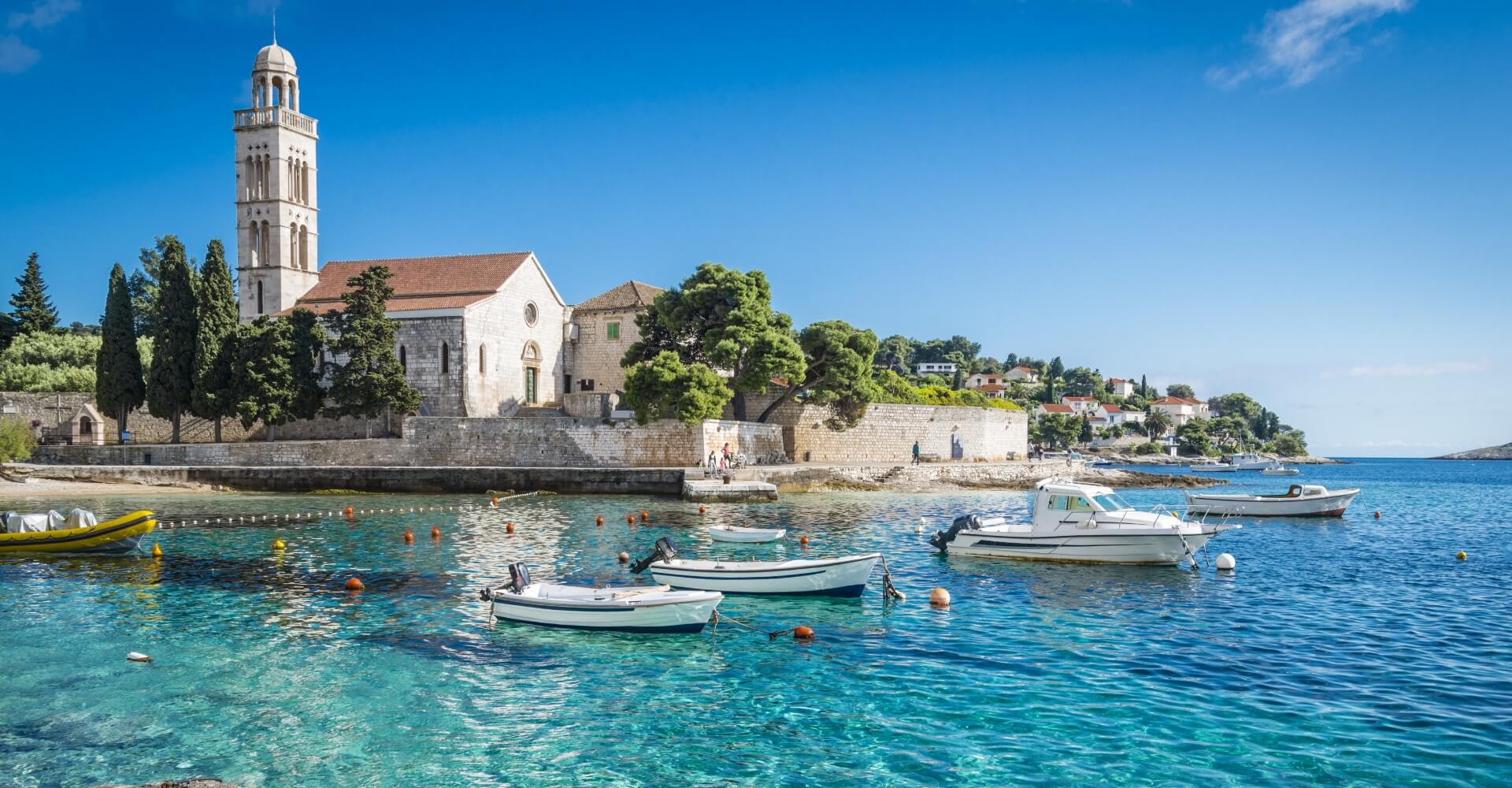
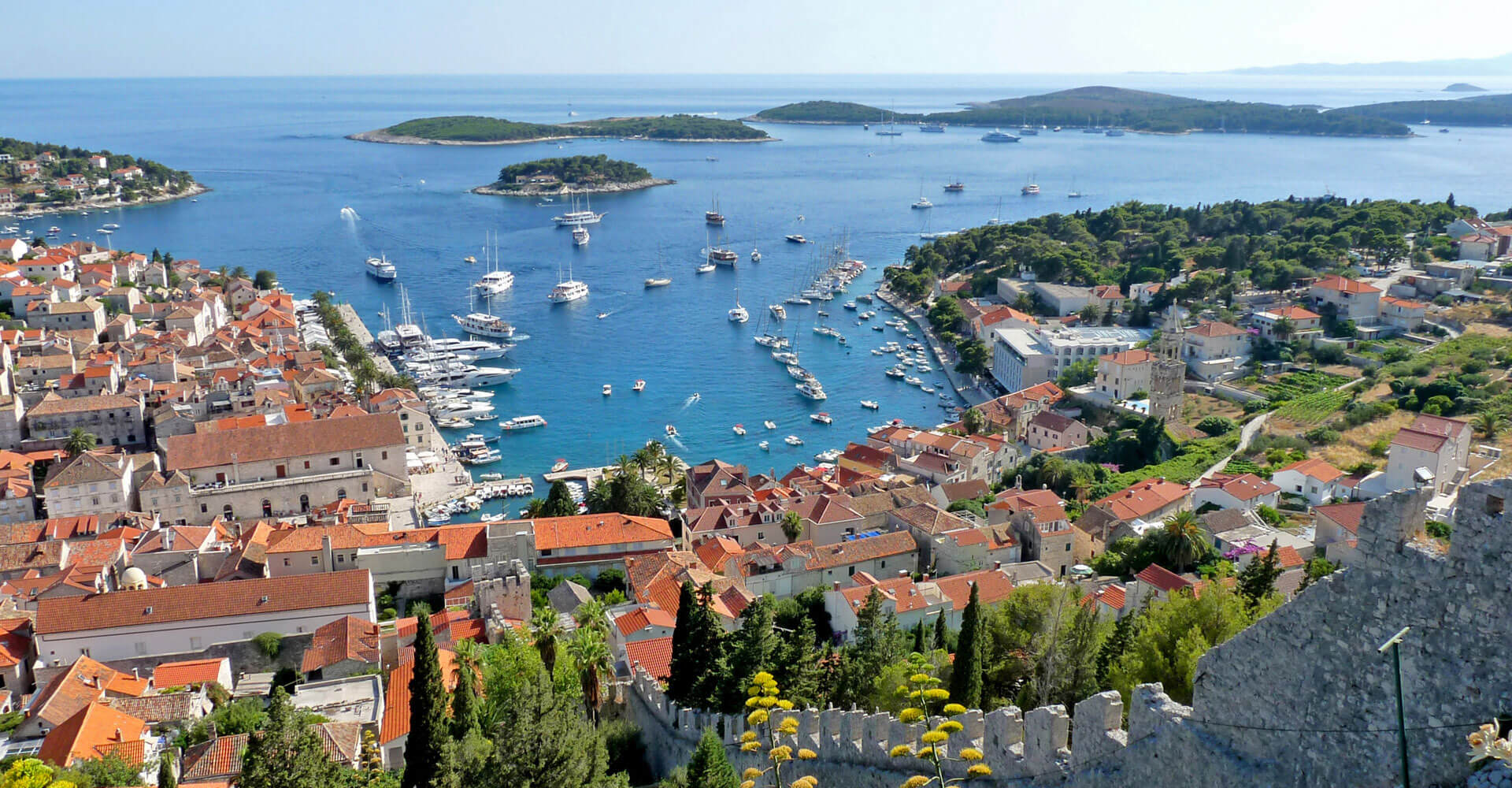
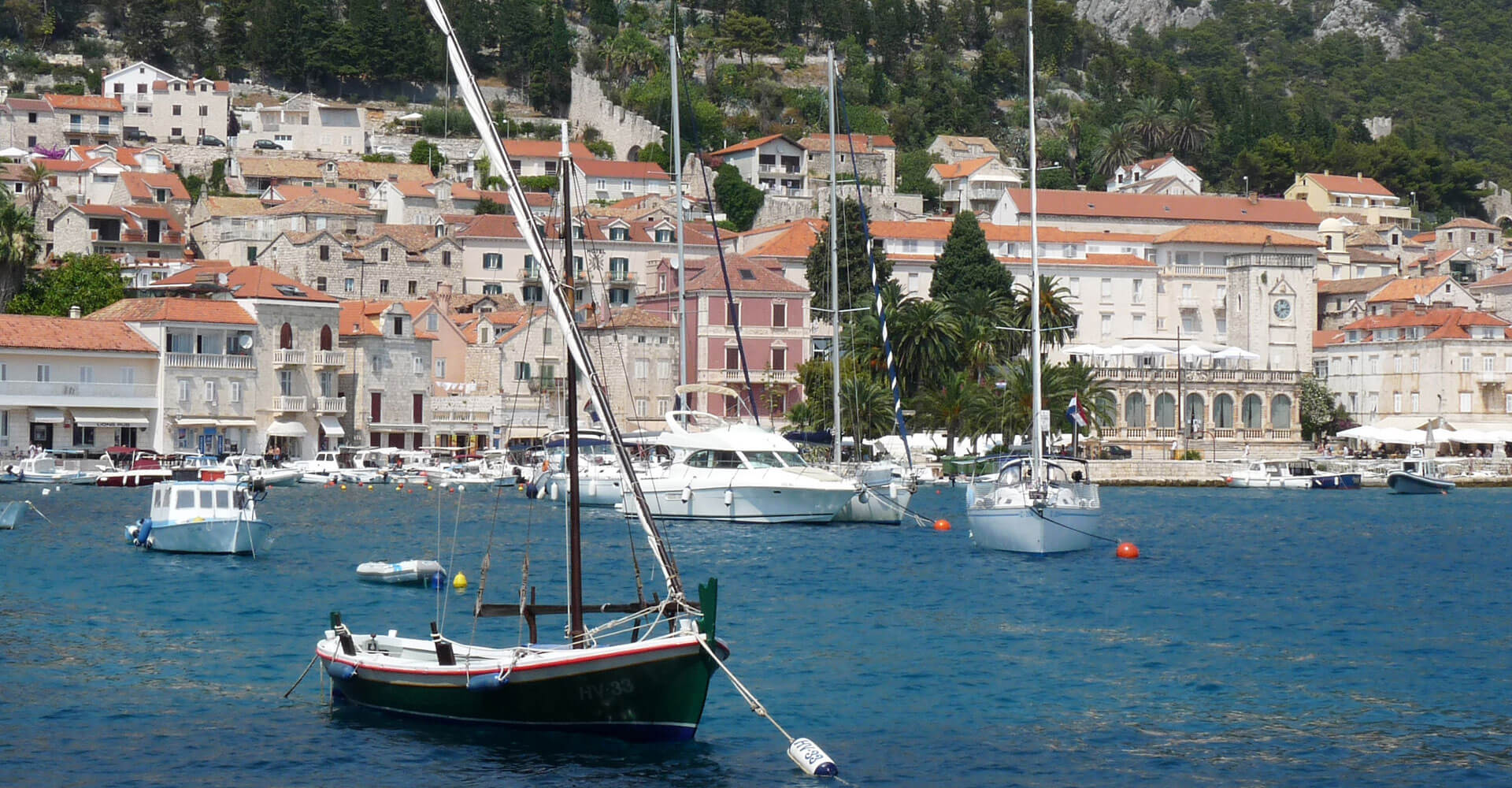
Hvar Island… took its name from the ancient Greeks and the Cycladic island of Paros who arrived in 384BC and used the island's fertile coastal plains and fresh water springs to farm and settle. The island's sloping hills are covered in pine forests and in the agricultural areas lavender fields, vineyards, fruit orchards and olive groves. The climate offers mild winters and warm summers. Hvar's position in the middle of the Adriatic trade routes made the island an important centre for Adriatic commerce as well as throughout the entire Mediterranean.
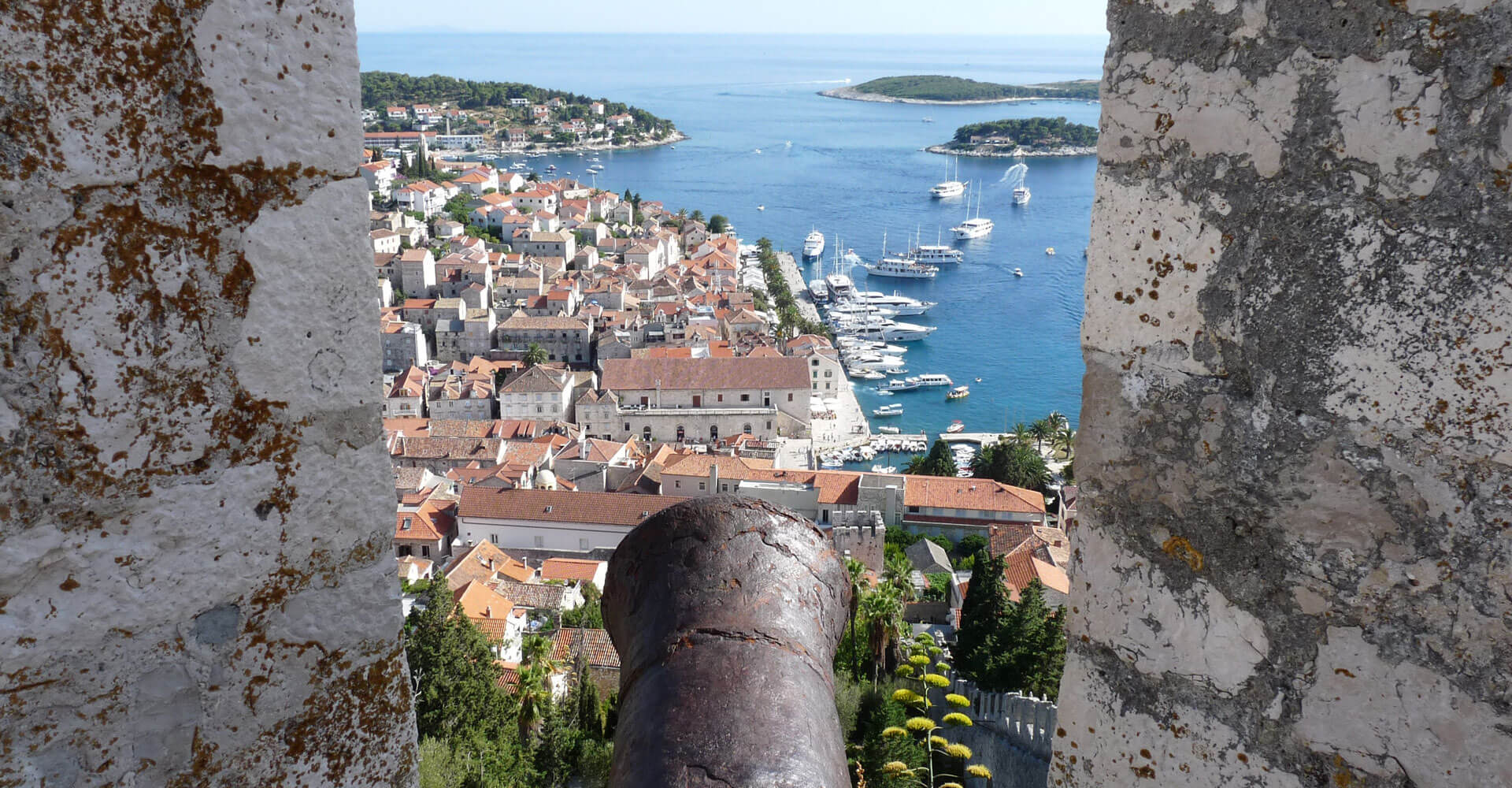
The protected natural harbor of Hvar city, became a Venetian Empire center for trade and culture in the Adriatic. To protect against invaders, a large naval base was created and above the port an imposing fortress was built with walls encircling the town. As trade and prosperity grew in Hvar so did culture and the arts. The city is home to one of the oldest surviving theatres in Europe built in 1612. Today the island is a popular tourist destination, listed in the top 10 islands by Conde Nast Traveler magazine.
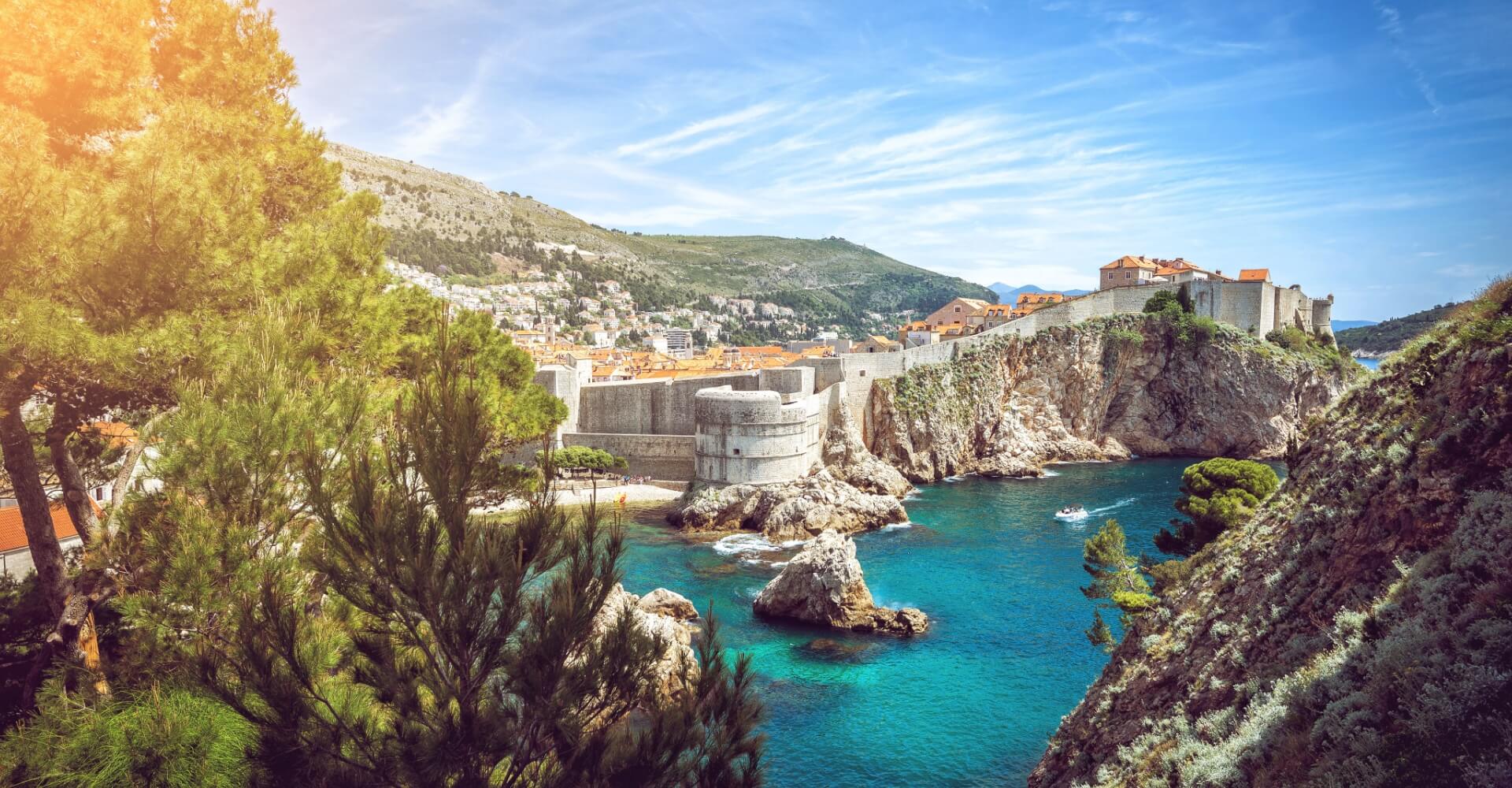
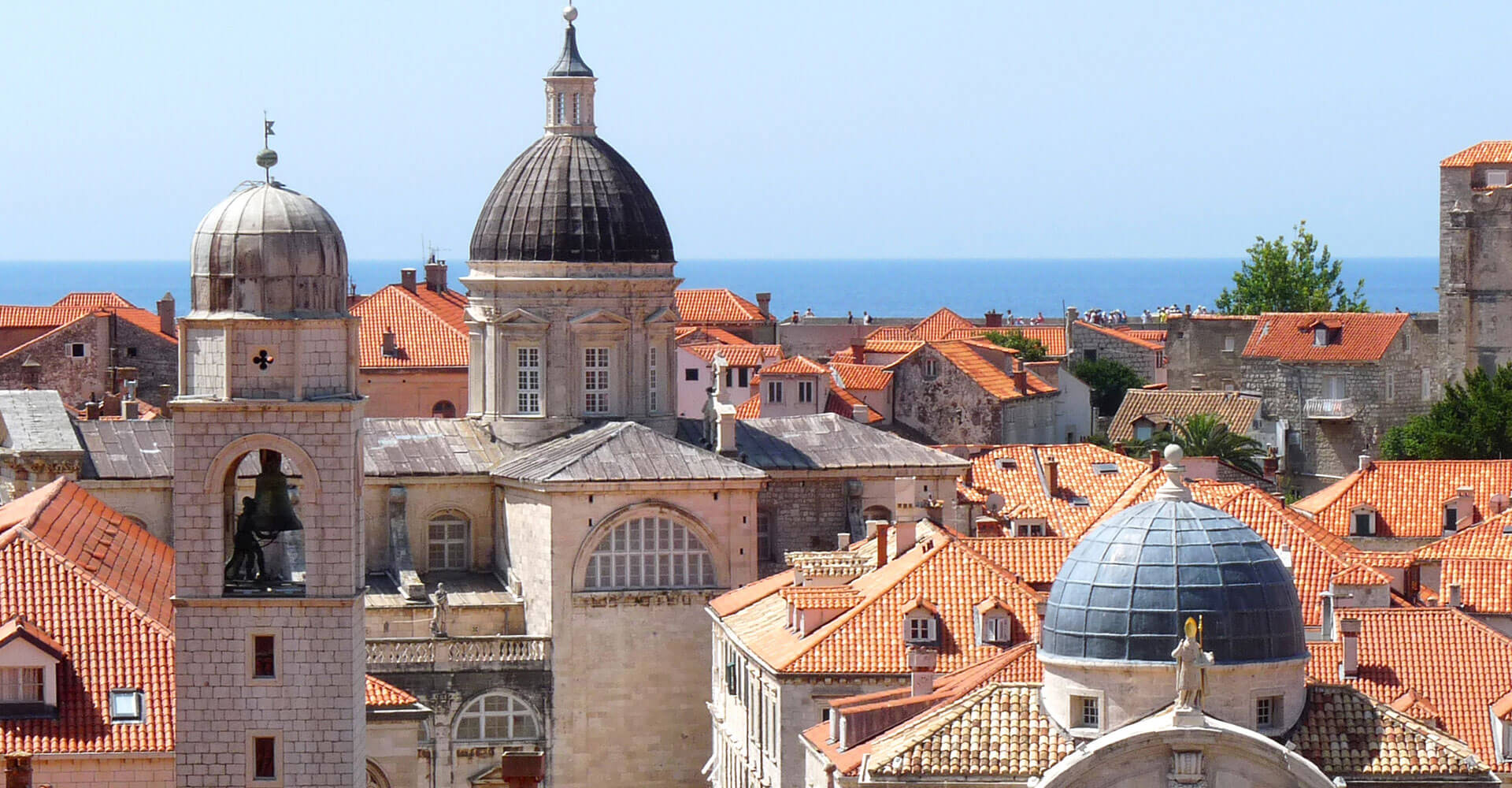
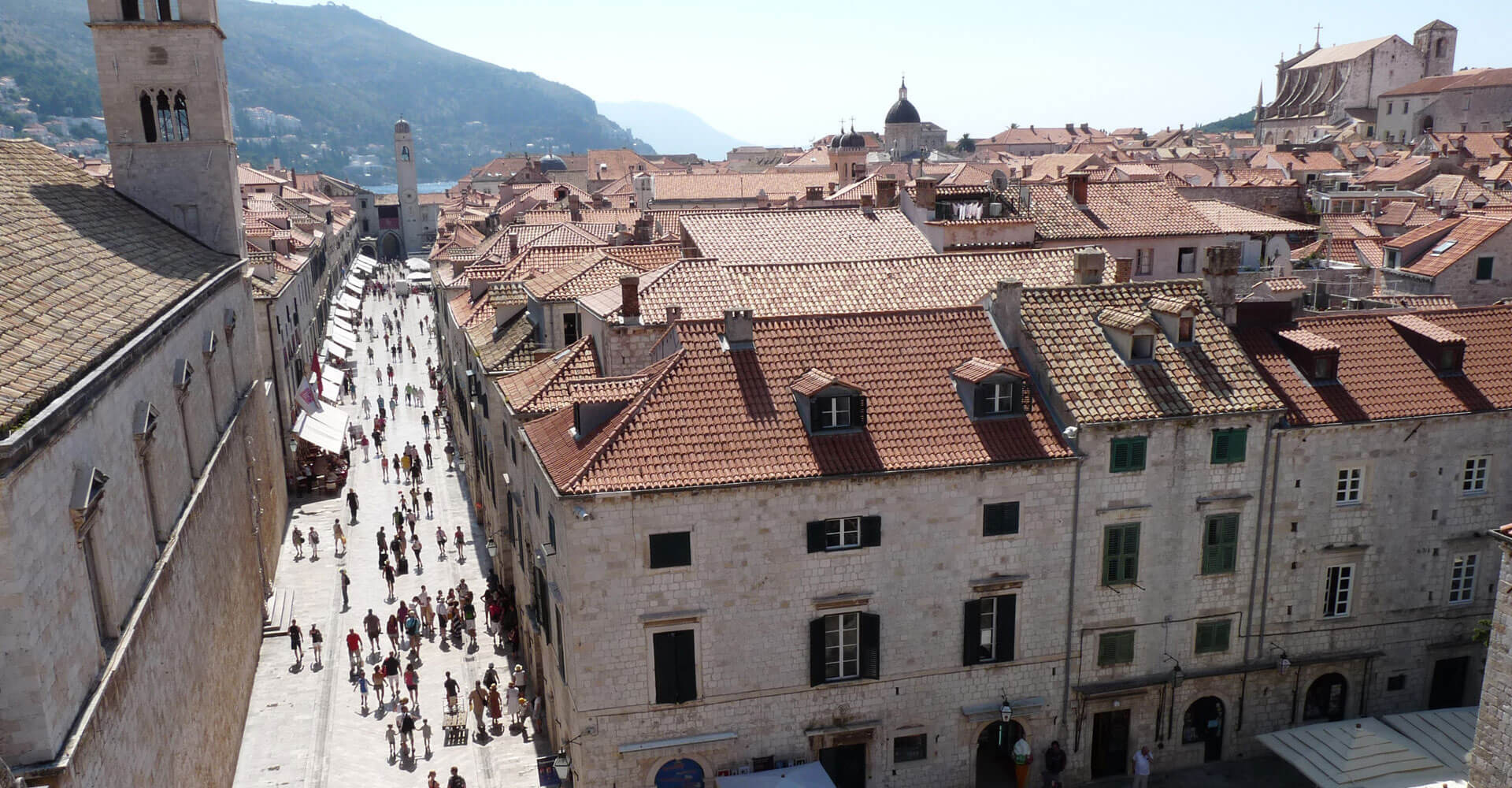
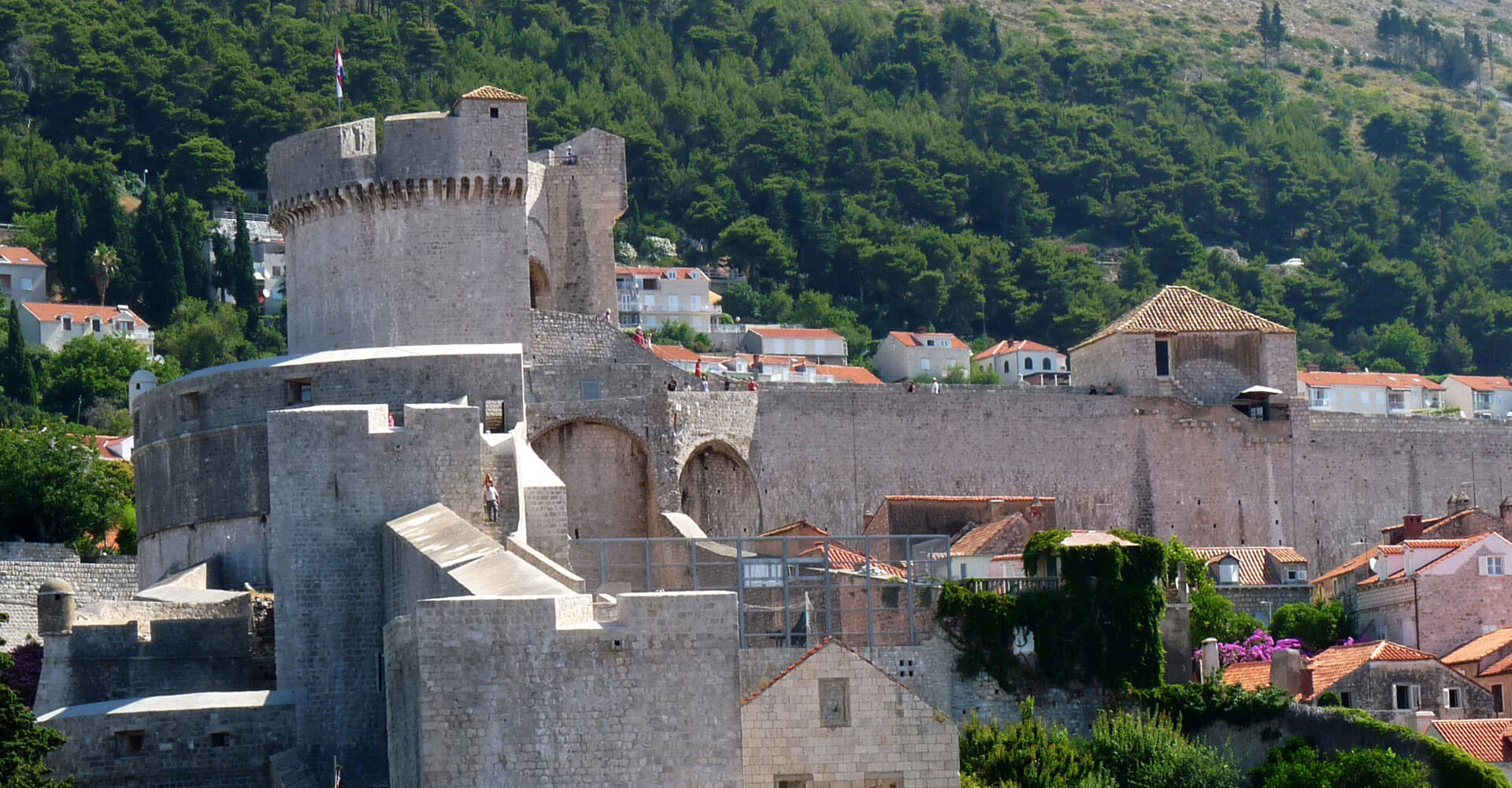
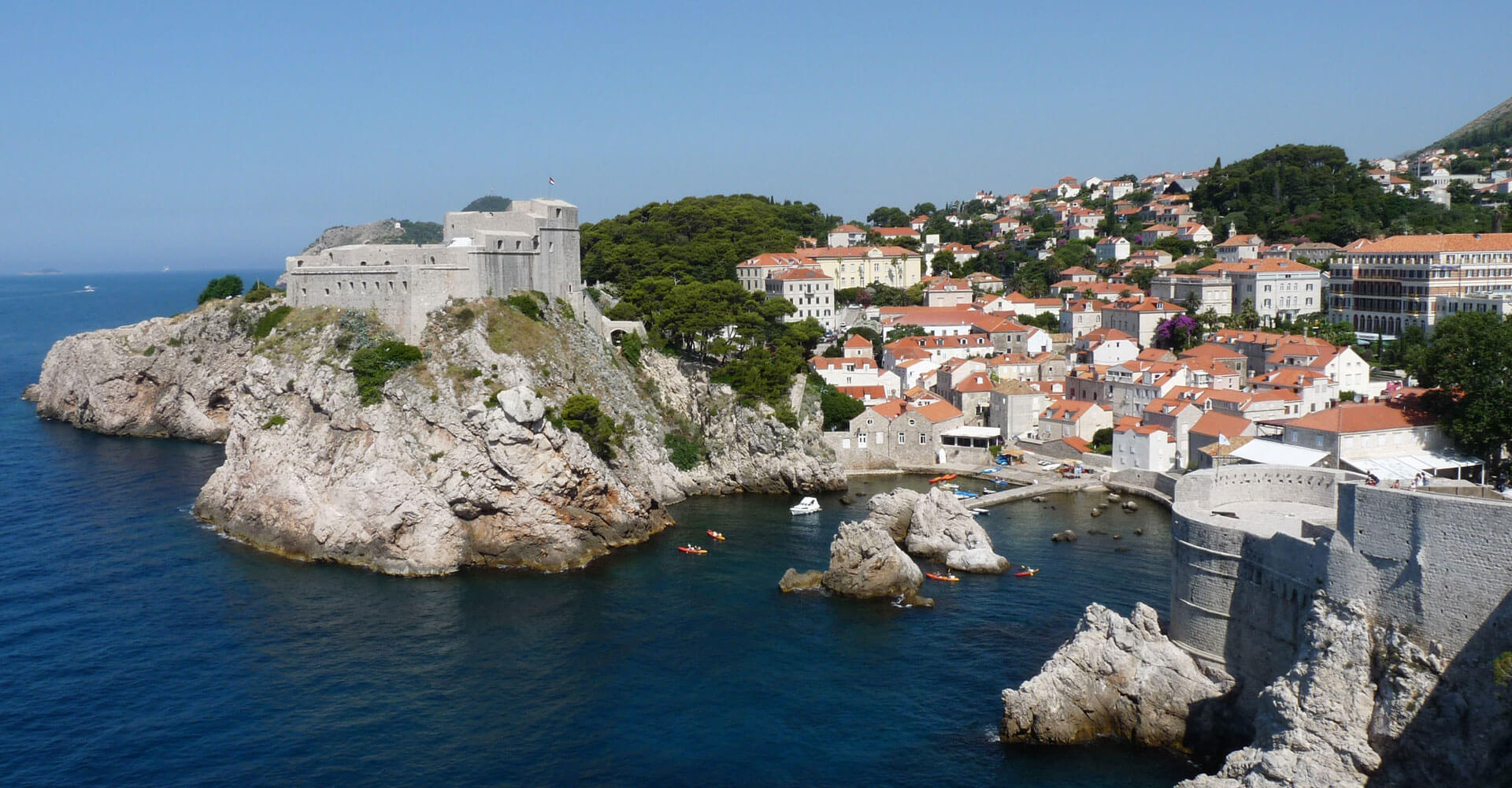
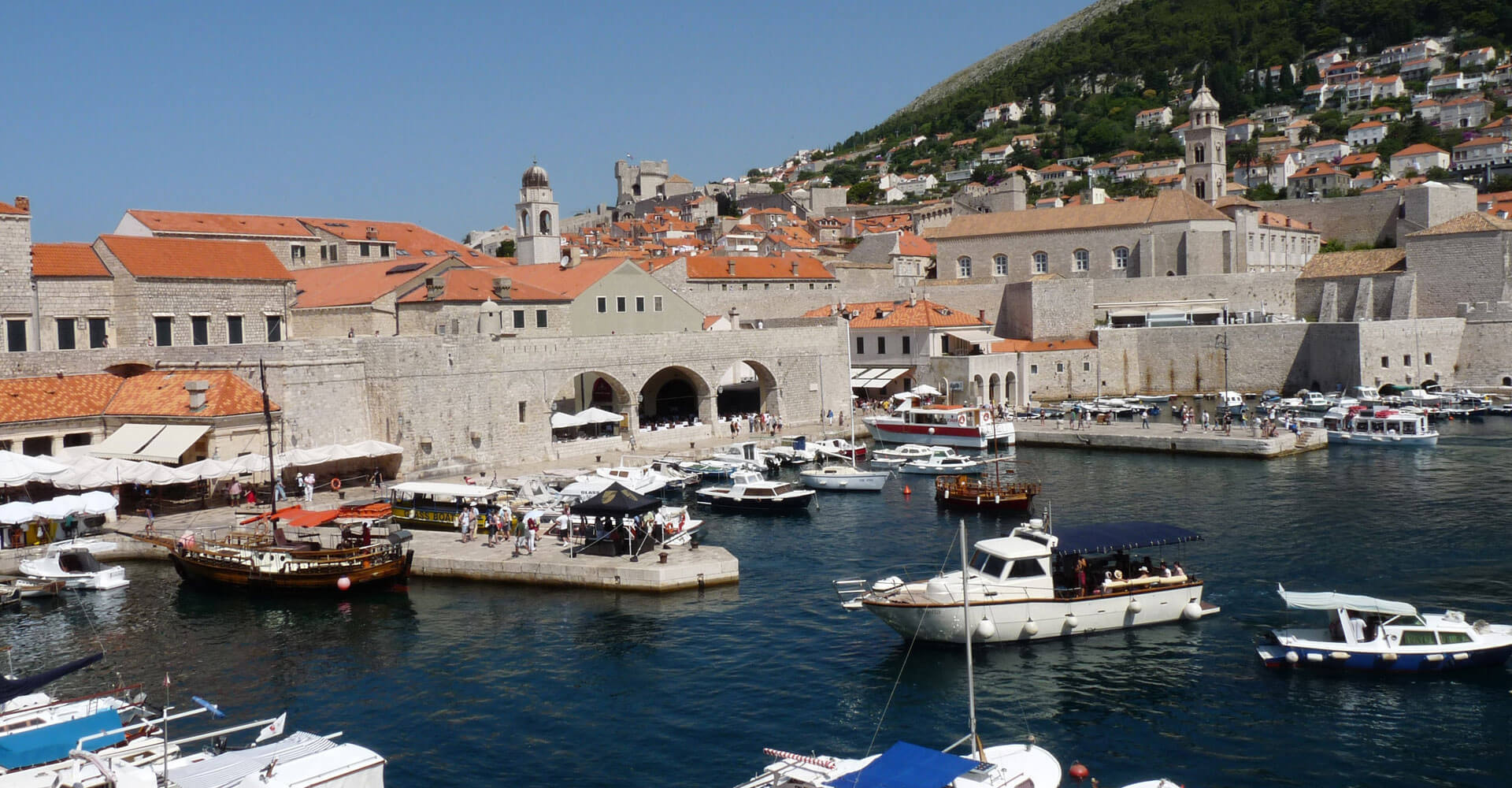
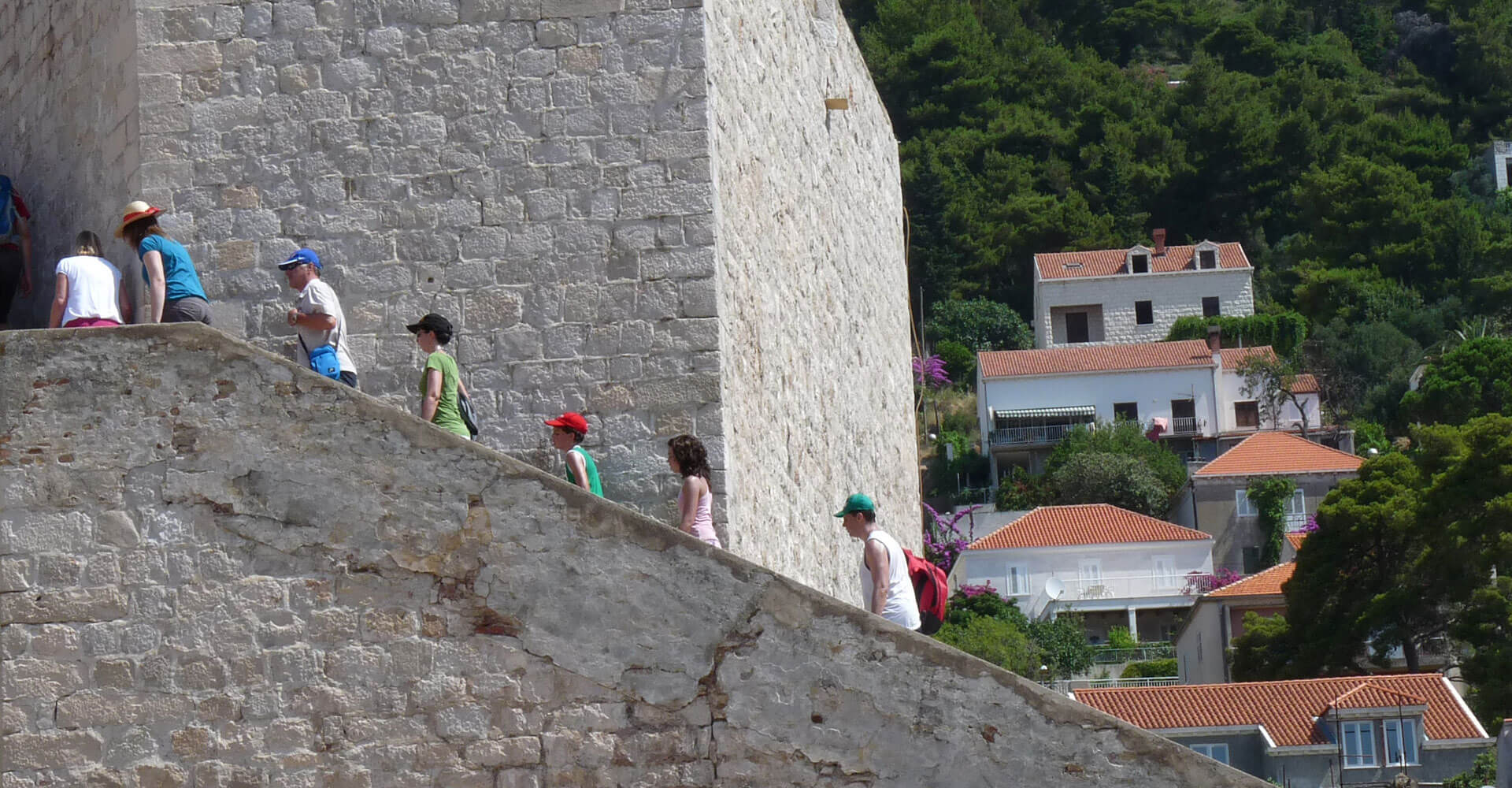
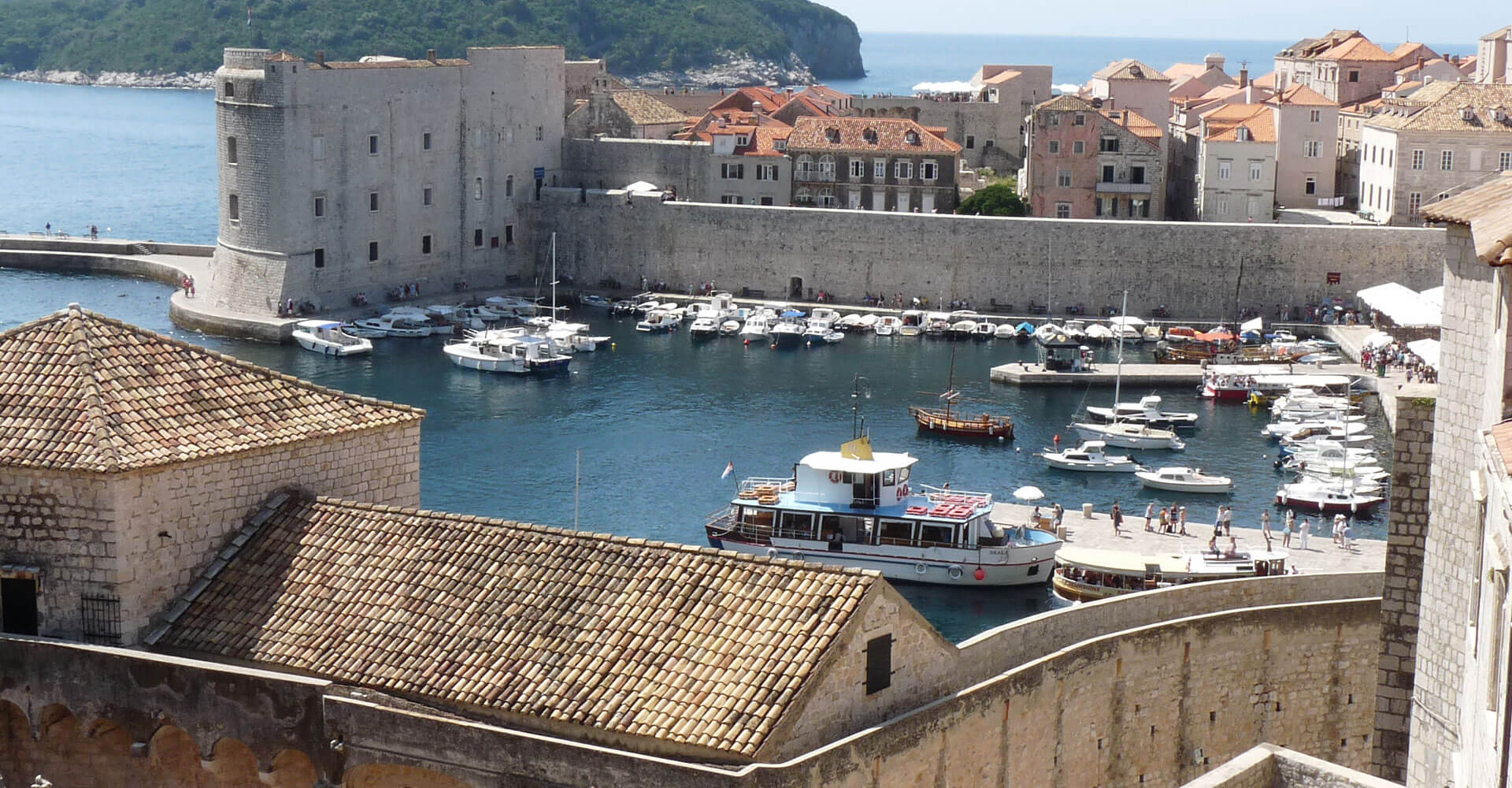
Dubrovnik… was one of the most important trading ports in the western Mediterranean for 1000 years. Today it is one of the most popular tourist destinations in the Adriatic. The old part of the city is surrounded by a fortified wall. Within the great wall the city is made up of unique streets, lanes, grand open plazas and wondrous Gothic, Renaissance and Baroque churches and architecture. In 1979 the city of Dubrovnik was made a UNESCO world Heritage site. The best way to experience the city is to rent a headset and take the walking tour along the great fortified city walls. This audio tour can take over two hours and is very informative. The annual summer festival is a 45-day cultural event featuring live theatre, concerts and games.
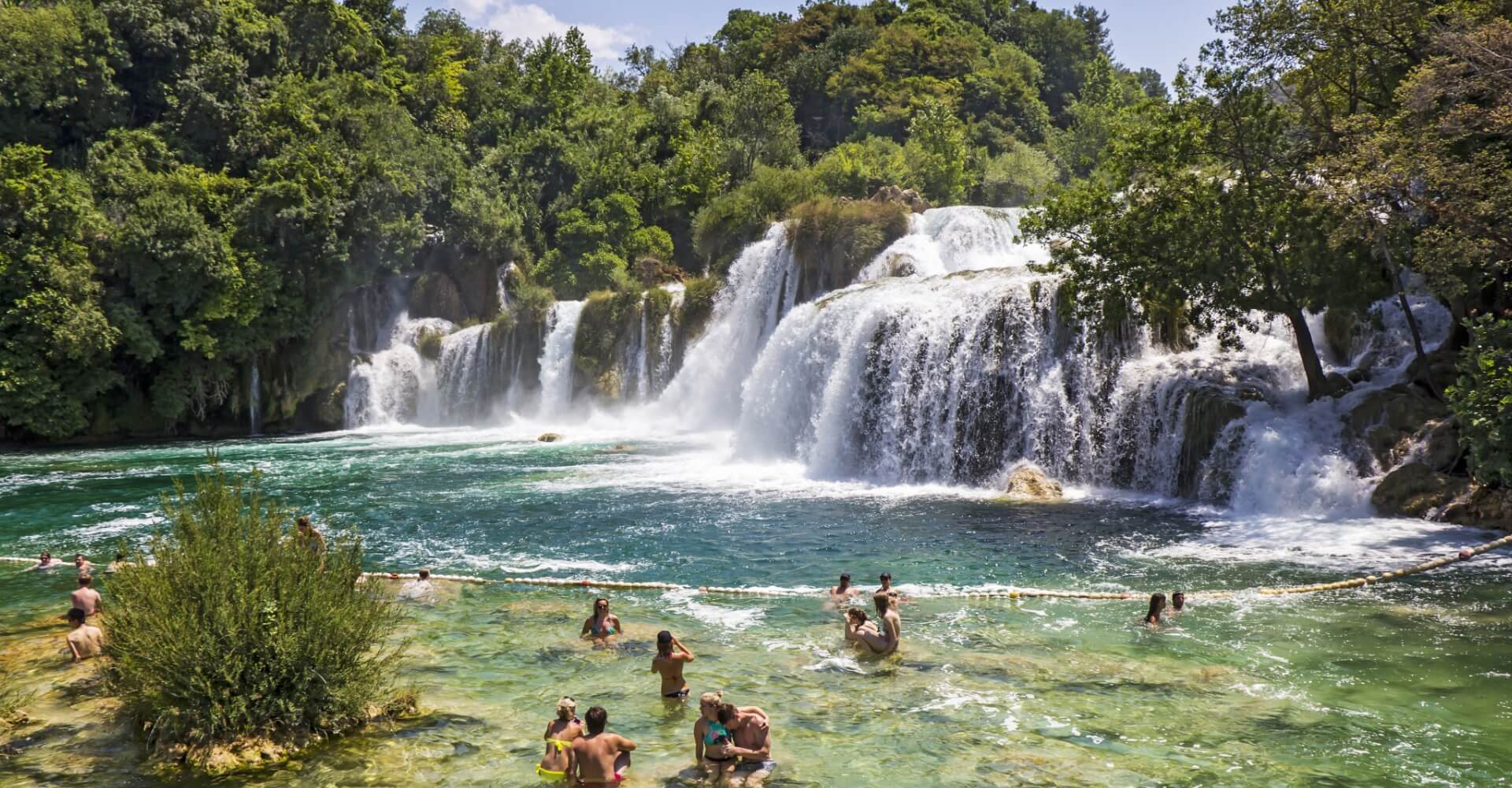
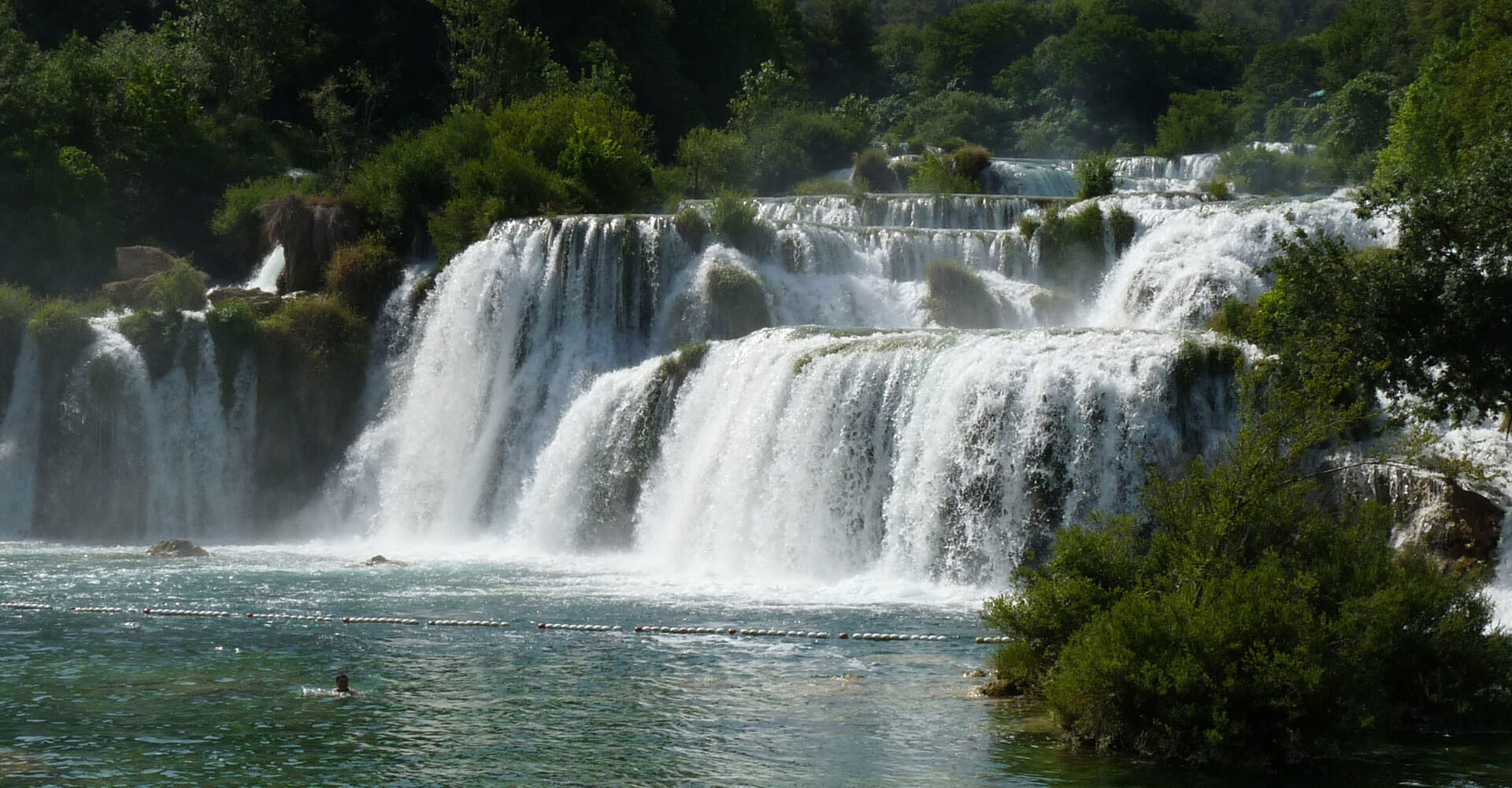
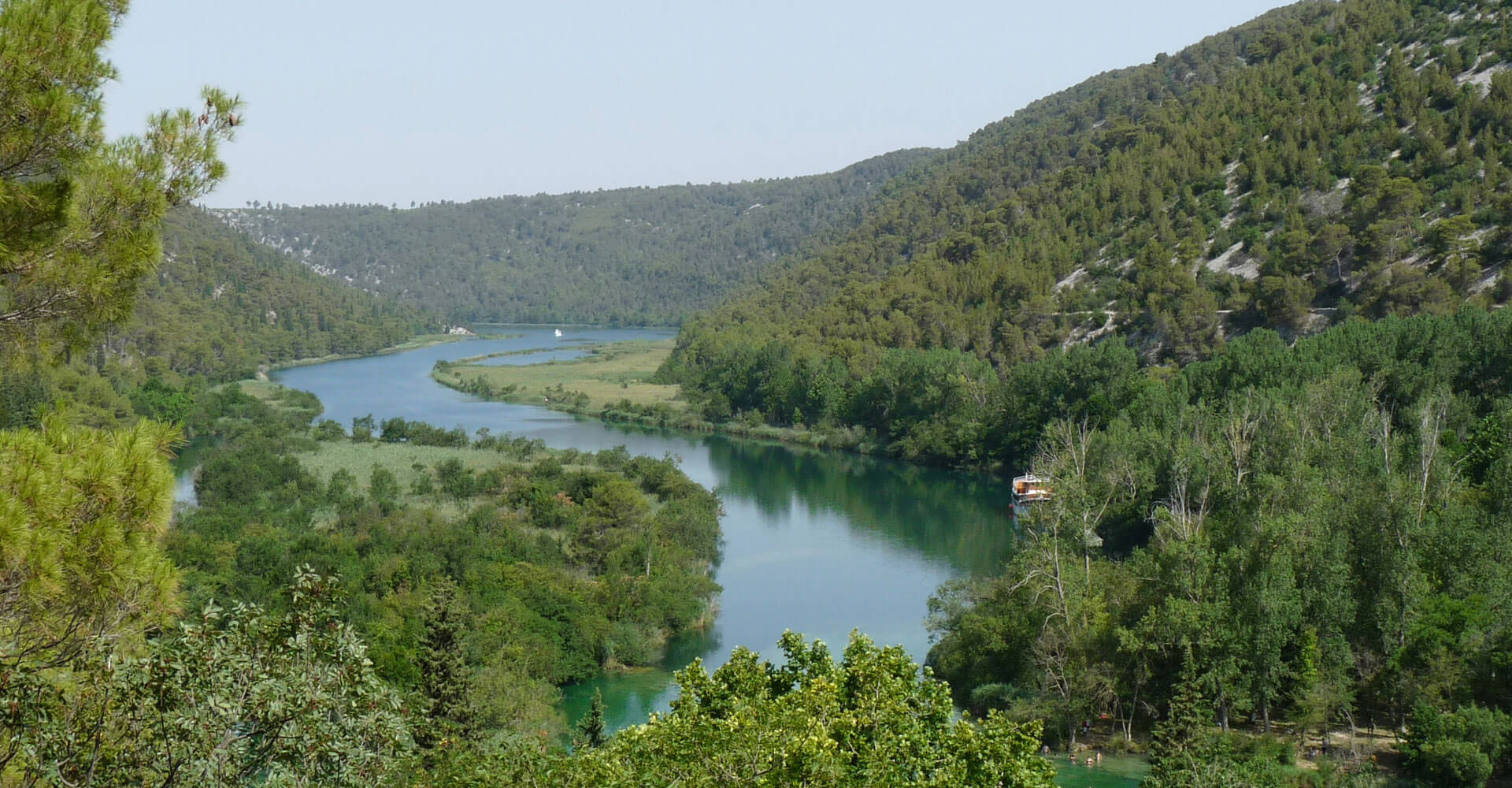
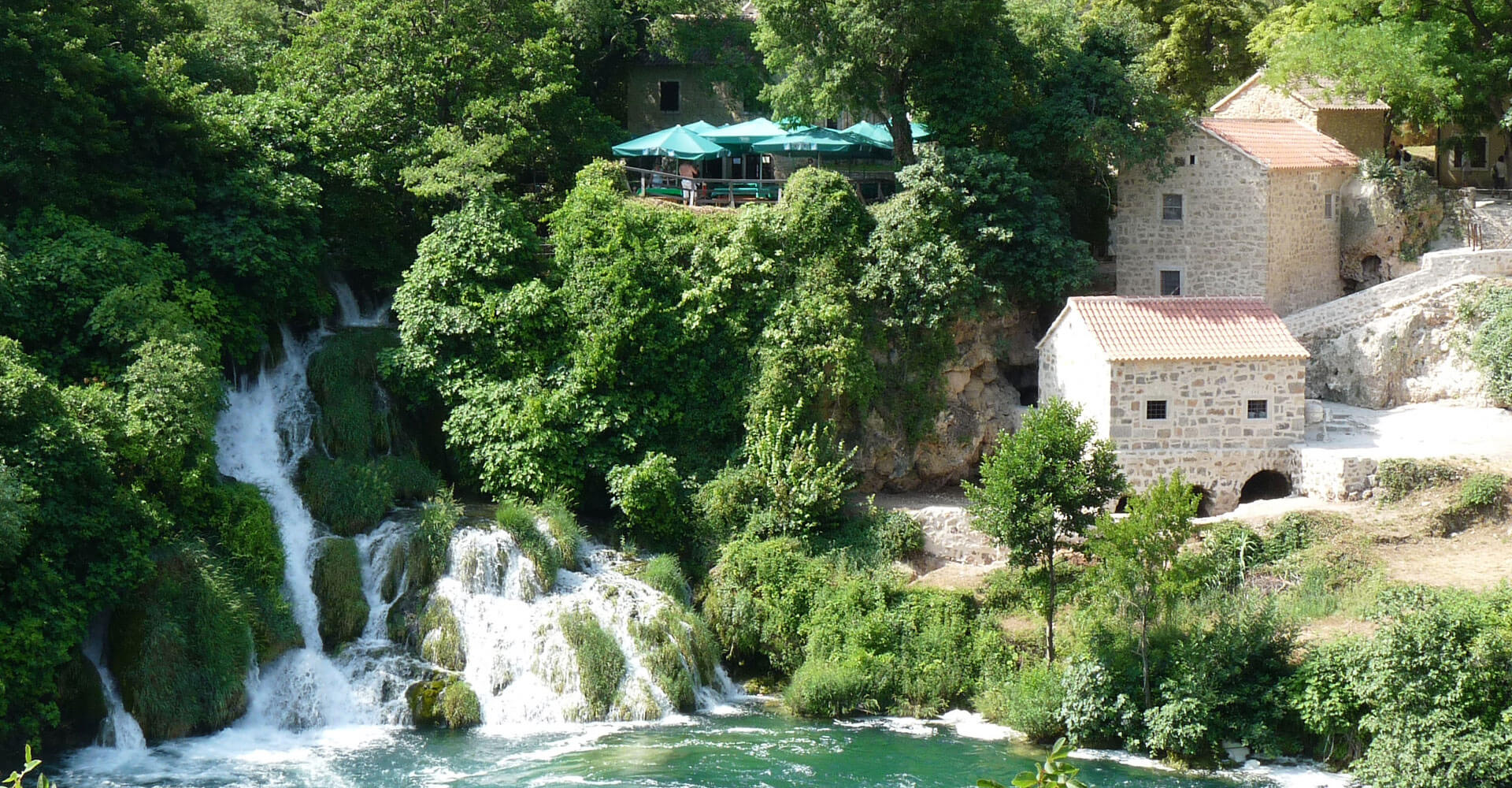
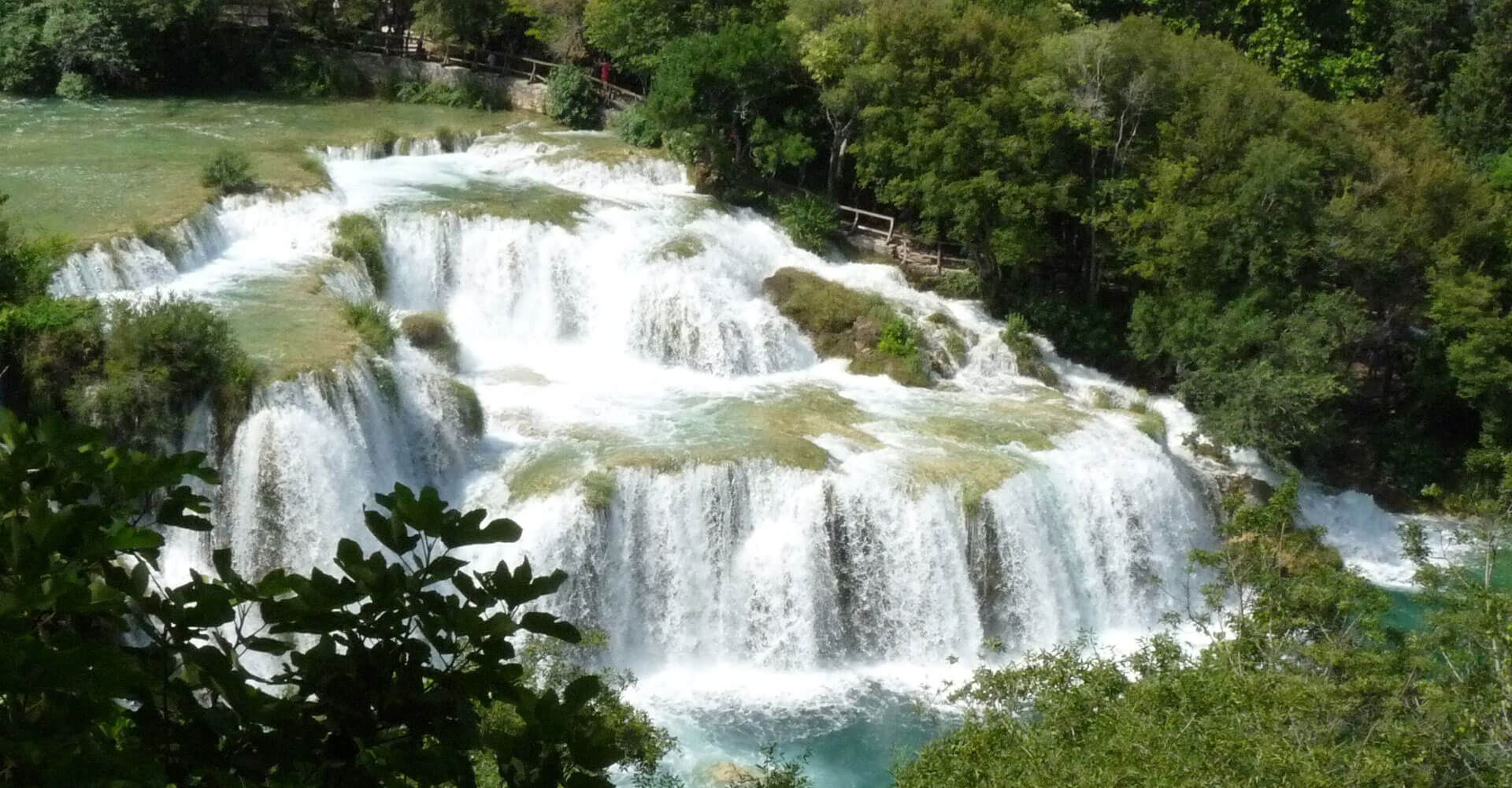
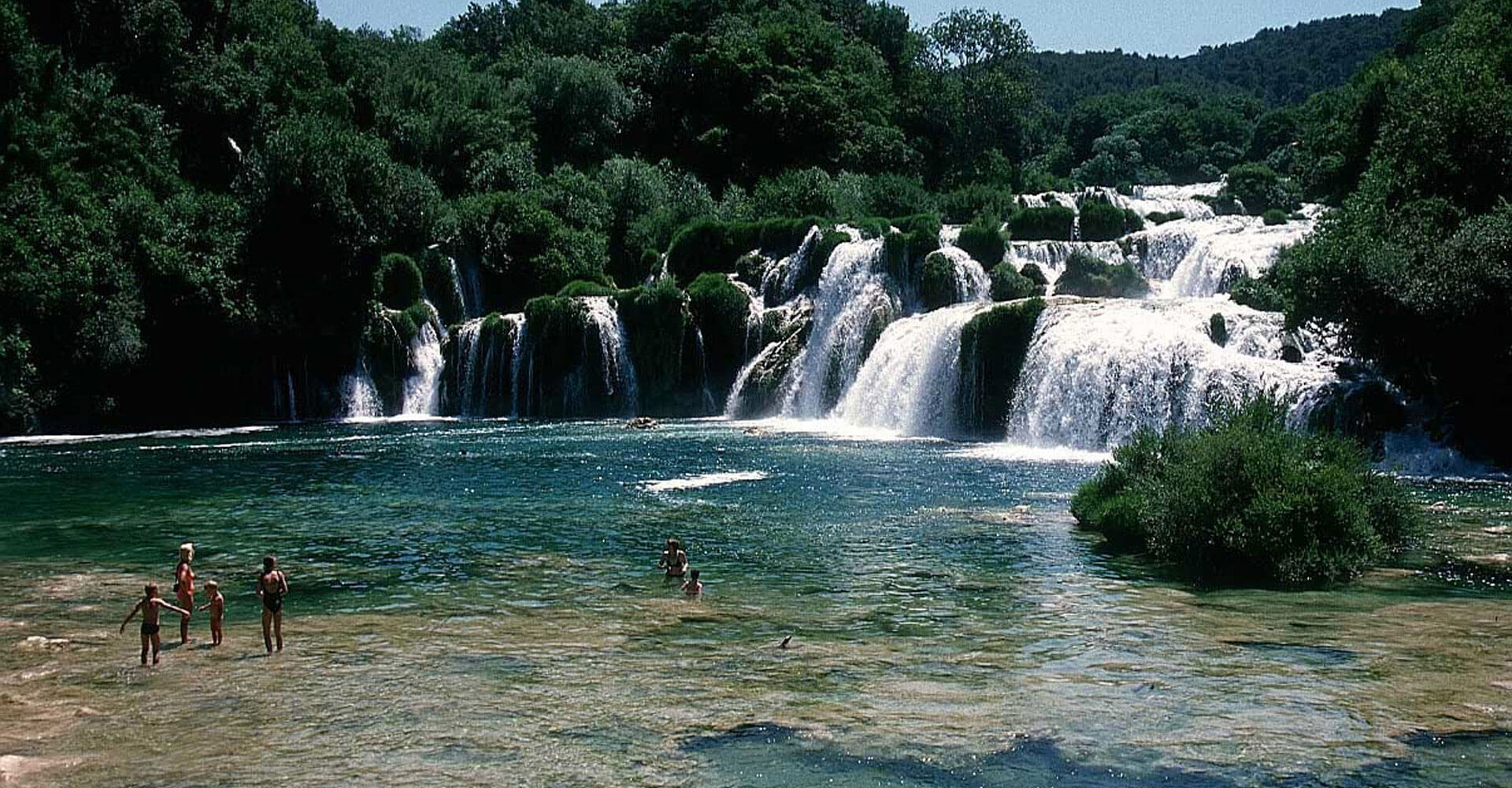
Krka falls and National Park…is a phenomenal experience and are accessed by river boat from the town of Skradin. The spectacular falls cascade down through the surrounding hills into numerous emerald pools. The widest falls are at the river level. A half-day exploration would include hiking, swimming and photography. Wildlife includes many bird species including grey herons and egrets.